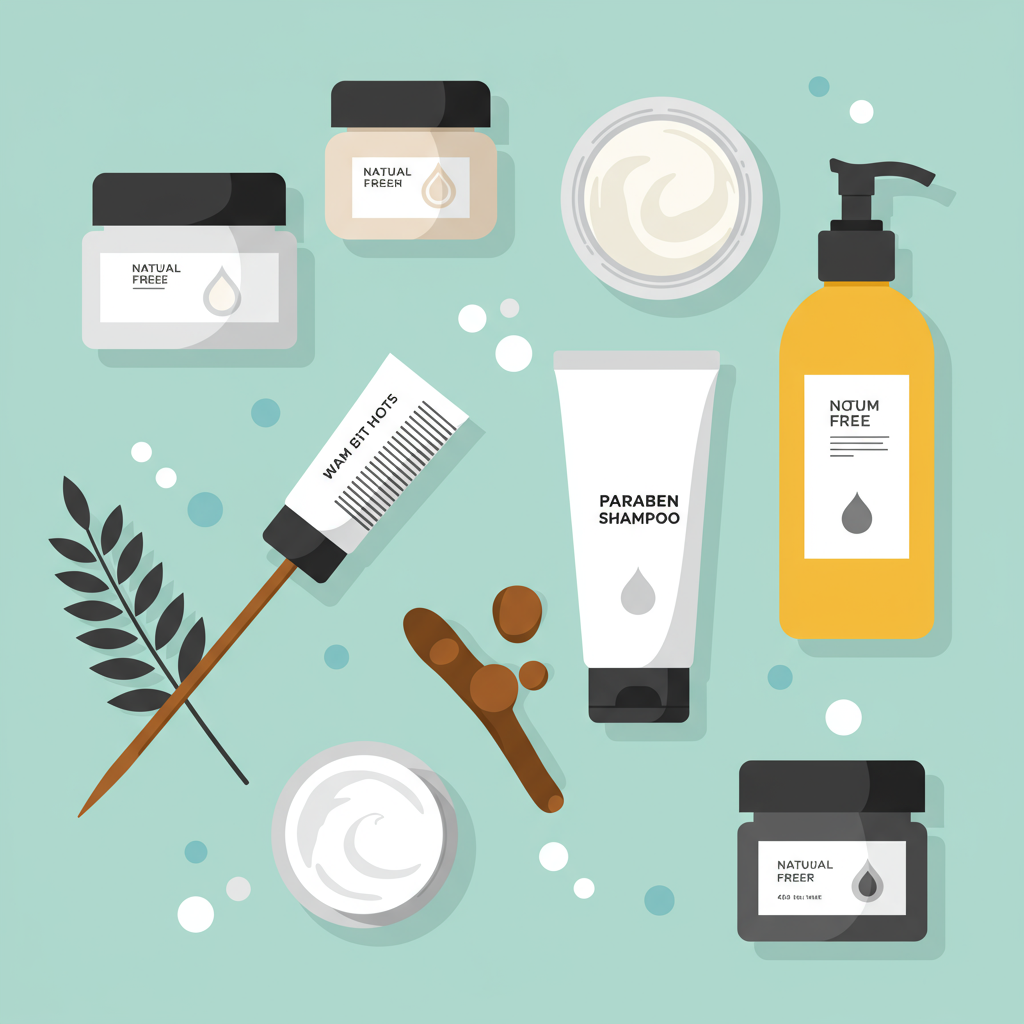
Are you increasingly scrutinizing ingredient labels on your personal care products? If so, you’ve likely come across the term “paraben-free”, especially when shopping for shampoo. But what is paraben free shampoo, and why has it become such a prominent trend in the beauty industry? This comprehensive guide will demystify parabens, explain the benefits of opting for paraben-free hair care, and help you make informed choices for your hair and scalp health. From understanding potential concerns to identifying effective alternatives, we’ll cover everything you need to know about making the switch to shampoo without parabens.
In a world where product safety and natural ingredients are top of mind, understanding the components of your daily routine is crucial. By the end of this article, you’ll have a clear picture of what paraben-free shampoo entails, why it might be the right choice for you, and how to confidently select products that align with your wellness goals. Let’s dive in and uncover the truth behind this popular hair care movement.
Understanding Parabens: The Preservatives Under Scrutiny
Before we delve into what is paraben free shampoo, it’s essential to understand what parabens are. Parabens are a class of widely used synthetic preservatives that prevent the growth of harmful bacteria and mold in cosmetics, pharmaceuticals, and food products. They extend product shelf life, ensuring your shampoo, conditioner, and lotions remain safe and effective for longer periods. Common parabens you might see on ingredient lists include:
- Methylparaben
- Ethylparaben
- Propylparaben
- Butylparaben
- Isobutylparaben
Why Are Parabens Used in Shampoo?
Manufacturers incorporate parabens into shampoo for several key reasons:
- Preservation: They are highly effective at inhibiting microbial growth, preventing spoilage and contamination, especially in water-based products like shampoo.
- Cost-Effectiveness: Parabens are relatively inexpensive and have been a standard ingredient for decades, making them a go-to choice for many brands.
- Stability: They are stable across a wide range of pH levels and temperatures, ensuring consistent preservation effectiveness.
The Concerns Surrounding Parabens
Despite their widespread use, parabens have become a subject of considerable debate and concern among consumers and scientists alike. The primary reasons for this scrutiny include:
- Endocrine Disruption: Some studies suggest that parabens can mimic estrogen in the body, potentially disrupting the endocrine system, which regulates hormones. While the exact impact on human health is still being researched, this concern has led many to seek out paraben-free alternatives.
- Allergic Reactions & Sensitivity: For individuals with sensitive skin or certain allergies, parabens can sometimes cause skin irritation, redness, or allergic contact dermatitis.
- Environmental Impact: There are also concerns about parabens accumulating in the environment, particularly in aquatic ecosystems.
It’s important to note that regulatory bodies like the FDA and European Commission generally consider parabens safe for use in cosmetics at low levels. However, consumer demand for “cleaner” ingredients has fueled the rise of paraben-free products.
What Is Paraben Free Shampoo? Unpacking the Label
So, what is paraben free shampoo? Simply put, it’s a shampoo formulated without the addition of parabens (methylparaben, ethylparaben, propylparaben, butylparaben, etc.) as preservatives. Instead of relying on these traditional compounds, paraben-free shampoos utilize alternative preservative systems to keep their formulas stable and free from microbial contamination.
Common Alternative Preservatives
When you choose a shampoo without parabens, you’ll likely find one of these alternatives listed in the ingredients:
- Phenoxyethanol: A widely used and effective preservative that combats bacteria, yeasts, and molds.
- Sodium Benzoate: A common food preservative also used in cosmetics, effective against fungi and some bacteria.
- Potassium Sorbate: Another food-grade preservative, often used in conjunction with sodium benzoate, primarily effective against fungi.
- Benzyl Alcohol: Often used as part of a preservative blend, it also has a mild fragrance.
- Caprylyl Glycol & Ethylhexylglycerin: Often used together as a synergistic blend to provide broad-spectrum preservation.
- Natural Preservatives: Some brands use “natural” alternatives like grapefruit seed extract, rosemary extract, or essential oils, though their efficacy and stability can vary.
It’s crucial to remember that while these alternatives are not parabens, they are still chemical compounds designed to preserve the product. The goal is to choose options that minimize potential risks or sensitivities for you.
The Benefits of Paraben Free Shampoo
Switching to a shampoo without parabens can offer several advantages, especially if you’re concerned about ingredient safety or have a sensitive scalp.
1. Reduced Exposure to Potential Endocrine Disruptors
For many, the primary motivation for choosing paraben-free products is to reduce their exposure to chemicals that may act as endocrine disruptors. While research is ongoing and regulatory bodies maintain parabens are safe at current usage levels, opting for paraben-free is a proactive step for those who wish to minimize this potential risk.
2. Gentler on Sensitive Scalps
Individuals prone to scalp irritation, itchiness, or allergic reactions may find relief with paraben-free formulas. While alternative preservatives can still cause sensitivity in some, removing parabens can eliminate a potential trigger for others, leading to a calmer, healthier scalp environment.
3. Aligns with “Clean Beauty” Values
The movement towards “clean beauty” emphasizes products made without ingredients that are perceived as controversial or potentially harmful. Choosing paraben-free shampoo aligns with this philosophy, appealing to consumers who prioritize transparency and natural-derived ingredients.
4. Supports Overall Wellness
For those adopting a holistic approach to health, every ingredient matters. Minimizing exposure to synthetic chemicals in daily products like shampoo is a step towards reducing the body’s overall chemical burden, contributing to a sense of greater well-being.
Are There Any Downsides or Misconceptions?
While the benefits are compelling, it’s important to have a balanced perspective on paraben-free shampoo.
- Shorter Shelf Life: Some paraben-free formulations may have a shorter shelf life or require more careful storage (e.g., away from direct sunlight or extreme temperatures) compared to their paraben-containing counterparts, as alternative preservatives might not be as potent or broad-spectrum.
- Cost: Developing effective paraben-free preservative systems can sometimes be more complex or costly, which might translate to a higher price point for the consumer.
- “Natural” Isn’t Always Better: A common misconception is that “paraben-free” automatically means “all natural” or “chemical-free.” While many paraben-free products do lean towards natural ingredients, they still contain other synthetic compounds necessary for cleansing, lathering, and conditioning. Moreover, some natural preservatives can also cause irritation.
- Effectiveness of Alternatives: Some alternative preservatives might not be as broad-spectrum or stable as parabens, requiring a blend of several ingredients to achieve adequate preservation, or leading to formulations that are more prone to spoilage if not properly formulated.
How to Identify Paraben Free Shampoo
Making the switch to shampoo without parabens is easier than you think. Here’s how to identify them:
- Look for “Paraben-Free” Claims: Many brands prominently label their products as “Paraben-Free” on the front of the bottle. This is the easiest indicator.
- Read the Ingredient List: Turn the bottle around and check the ingredient list. Look for words ending in “-paraben,” such as methylparaben, propylparaben, ethylparaben, or butylparaben. If you don’t see any of these, the product is paraben-free.
- Check for Alternative Preservatives: Familiarize yourself with common paraben alternatives (e.g., Phenoxyethanol, Sodium Benzoate, Potassium Sorbate) to understand what is being used instead.
- Use Reputable Resources: Websites like the Environmental Working Group (EWG) Skin Deep database can help you research specific products and their ingredient safety ratings.
Who Should Consider Paraben Free Shampoo?
While anyone can benefit from choosing a paraben-free shampoo, it’s particularly recommended for:
- Individuals with Sensitive Skin or Scalp Conditions: If you experience frequent irritation, itchiness, or allergic reactions, removing parabens might alleviate symptoms.
- Those Concerned About Endocrine Disruptors: If you’re proactively trying to minimize exposure to potential endocrine-disrupting chemicals in your personal care routine.
- Pregnant or Nursing Individuals: Many choose to be extra cautious with all ingredients during these sensitive periods.
- Children: To minimize exposure to various synthetic chemicals during developmental stages.
- Anyone Seeking “Clean Beauty” Products: If your personal values align with using products with fewer synthetic or controversial ingredients.
Recommended Products
Ready to make the switch? Here are a few highly-rated paraben-free shampoo options available, chosen for their effectiveness and commitment to cleaner formulations. Remember to choose based on your hair type and specific needs!
Avalon Organics Scalp Treatment Tea Tree Shampoo
Ideal for those with oily or flaky scalps, this shampoo combines organic botanicals and tea tree oil to soothe and balance.
OGX Coconut Miracle Oil Shampoo
A popular choice for dry, damaged hair, offering hydration and shine without parabens or sulfates. Great for everyday use.
Puracy Natural Shampoo
Developed by doctors, this gentle, plant-derived shampoo is great for all hair types, especially sensitive skin, and is free from a long list of undesirable chemicals.
SheaMoisture Raw Shea Butter Moisture Retention Shampoo
Excellent for natural, curly, or color-treated hair, providing deep moisture and nourishment with ethically sourced ingredients.
Frequently Asked Questions About Paraben Free Shampoo
Q1: Are parabens really bad for you?
A1: The scientific community is divided. While some studies suggest parabens can mimic estrogen and have potential endocrine-disrupting effects, regulatory bodies like the FDA and European Commission consider them safe at the low levels typically used in cosmetics. Many people choose to avoid them out of an abundance of caution or due to personal sensitivities.
Q2: What are common alternatives to parabens in shampoo?
A2: Instead of parabens, you’ll often find preservatives like phenoxyethanol, sodium benzoate, potassium sorbate, benzyl alcohol, caprylyl glycol, and ethylhexylglycerin. Some brands also use “natural” preservatives derived from plants, though their effectiveness can vary.
Q3: Is paraben free shampoo better for all hair types?
A3: Not necessarily “better” across the board, but it can be beneficial for many. Individuals with sensitive scalps, allergies, or concerns about synthetic ingredients may find it a gentler option. For others, the primary benefit might be peace of mind. The best shampoo for you ultimately depends on your hair type, concerns, and how your scalp reacts to different ingredients.
Q4: How can I tell if my current shampoo has parabens?
A4: Check the ingredient list on the back of the bottle. Look for any ingredient ending in “-paraben,” such as methylparaben, ethylparaben, propylparaben, or butylparaben. If you don’t see any of these, your shampoo is paraben-free.
Q5: Will paraben-free shampoo make my hair healthier?
A5: While paraben-free shampoo can contribute to a healthier scalp by reducing exposure to potential irritants, its direct impact on hair health (e.g., growth, strength, shine) depends more on the overall formulation and other active ingredients suited for your hair type. It’s one piece of the puzzle for a healthier hair care routine.
Q6: Is paraben-free shampoo more expensive?
A6: Often, yes, paraben-free shampoos can be slightly more expensive. This is sometimes due to the higher cost of alternative preservative systems, smaller batch production, or the use of other premium ingredients that often accompany a “clean beauty” formulation. However, many affordable options are becoming available as the market grows.
Conclusion
Understanding what is paraben free shampoo is a vital step in making informed choices for your personal care routine. While parabens have historically served as effective preservatives, the increasing consumer awareness of their potential downsides has driven a significant shift towards paraben-free alternatives. Opting for a shampoo without parabens can be a beneficial choice for those with sensitive scalps, anyone seeking to minimize exposure to potential endocrine disruptors, or individuals who align with the broader “clean beauty” movement.
Remember, the goal isn’t just to avoid one ingredient, but to choose products that feel good for your hair and scalp, and align with your personal health philosophy. Always read labels, understand the alternatives, and listen to what your body tells you. By taking the time to educate yourself, you’re empowered to make the best decisions for a healthier hair care journey. Embrace the change and discover the benefits of a paraben-free hair care regimen today!
“`