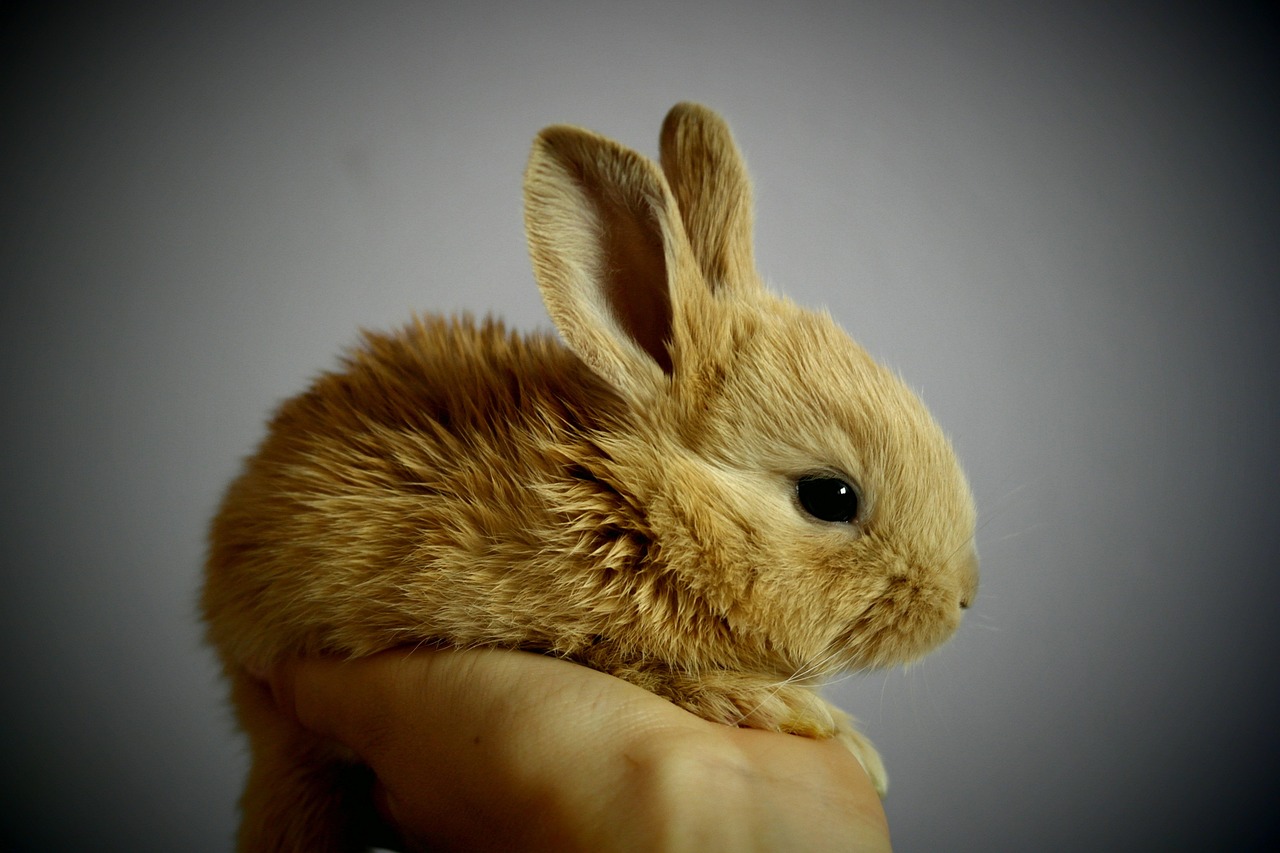
As a loving rabbit owner, you want the best for your furry friend, and that often includes ensuring they are clean and comfortable. It’s natural to wonder, What shampoo is safe for rabbits However, the answer might surprise you: for the vast majority of situations, the safest “shampoo” for your rabbit is none at all. Rabbits are meticulously clean animals that groom themselves effectively, and introducing water and commercial shampoos can actually do more harm than good.
This comprehensive guide will delve into why traditional bathing and shampoo are generally discouraged for rabbits, the significant risks involved, and most importantly, effective and safe alternatives for keeping your bunny hygienic. We’ll cover everything from simple spot cleaning to understanding when professional or veterinary intervention is necessary, ensuring your rabbit stays healthy, happy, and immaculately clean without unnecessary stress or danger. Let’s uncover the truths about rabbit hygiene and protect our delicate companions.
Why Traditional Shampoo is a No-Go for Rabbits
Understanding why rabbits and water baths don’t mix is crucial for responsible pet ownership. Their unique physiology and behavior make bathing with shampoo a risky endeavor that should almost always be avoided.
Sensitive Skin and pH Imbalance
Rabbits have incredibly delicate skin that is very different from human skin or even that of dogs and cats. Their skin’s pH balance is finely tuned, and introducing harsh chemicals, fragrances, or even the wrong kind of soap can strip away natural oils, leading to dryness, irritation, and allergic reactions. A disrupted skin barrier can make them vulnerable to infections. Even shampoos marketed for “sensitive skin” or “natural ingredients” for other pets are likely to be inappropriate for a rabbit’s unique biology.
Risk of Hypothermia and Shock
One of the most significant dangers of bathing a rabbit is the risk of hypothermia. Rabbits do not tolerate changes in body temperature well, and their dense fur takes an exceptionally long time to dry. Even in a warm room, a wet rabbit can quickly become chilled, leading to a dangerous drop in body temperature. Furthermore, the stress of being submerged in water can induce shock, a life-threatening condition for these prey animals. The combination of fear, cold, and a rapid heart rate can be fatal.
Ingestion Dangers
Rabbits are meticulous groomers. After a bath, they will instinctively try to clean themselves, ingesting any residual shampoo or soap left on their fur. Many commercial shampoos contain ingredients that are toxic if ingested, leading to gastrointestinal upset, organ damage, or even death. Even “natural” ingredients can be harmful if consumed in large quantities. This is a primary reason why what shampoo is safe for rabbits is rarely answered with a specific product, but rather with a strong caution against using any.
Stress and Behavioral Issues
Being bathed is an incredibly stressful experience for most rabbits. As prey animals, they are naturally fearful of being restrained and submerged in water. This stress can manifest in various ways, from panic and struggle to long-term behavioral changes like fear of handling, aggression, or withdrawal. A traumatic bathing experience can severely impact your bond with your rabbit and their overall well-being. Keeping stress to a minimum is paramount for a rabbit’s health.
When is Cleaning Necessary? (And What to Do Instead of Shampoo)
While full baths are out, there are rare instances where a rabbit might need cleaning due to illness, injury, or severe soiling that they cannot manage themselves. In these cases, the focus shifts to targeted, minimal-stress methods, completely avoiding conventional shampoo.
Spot Cleaning for Minor Messes
For small, localized messes, spot cleaning is the safest approach. This involves cleaning only the soiled area, leaving the rest of the rabbit’s fur dry.
- The Damp Cloth Method: For minor dirt, urine, or sticky residues, gently wipe the affected area with a soft cloth dampened with plain, lukewarm water. Ensure the cloth is only damp, not soaking wet. Immediately follow up by drying the area thoroughly with a clean, dry towel. You can also use a hairdryer on a very low, cool setting, held a safe distance away, but be mindful of the noise and heat, which can be stressful.
- Cornstarch Powder (Dry Bath): For greasy fur or minor matting, a small amount of plain, unscented cornstarch can act as a “dry shampoo.” Sprinkle a tiny amount onto the affected area, gently work it into the fur, and then carefully brush it out with a fine-toothed comb. The cornstarch absorbs oils and dirt. This method is best for very small areas and should be used sparingly, as excessive inhalation can be problematic.
Dealing with Urine Scald or Cecal Staining
These are more serious issues that often indicate an underlying health problem (e.g., arthritis, dental issues, obesity, diarrhea) preventing the rabbit from properly grooming. Cleaning is necessary but must be done with extreme care and often requires veterinary consultation.
- Consult Your Vet First: Always contact your veterinarian if your rabbit has persistent urine scald or significant cecal staining. They can diagnose the root cause and recommend the safest cleaning methods, potentially prescribing a medicated wash if an infection is present.
- Targeted Warm Water Wash: If directed by your vet, you might need to perform a very shallow, targeted wash of only the affected area (usually the hindquarters). Use a sink or shallow tub with only an inch or two of lukewarm water. Hold the rabbit securely, keeping their head and front half completely dry. Gently wash the soiled area with plain water or a vet-prescribed solution.
- Immediate and Thorough Drying: This step is critical. After cleaning, blot the area with several dry towels. Follow with a hairdryer on the lowest, cool setting, keeping it moving and at a safe distance to prevent burns or overheating. Ensure the fur is completely dry to prevent skin irritation and hypothermia.
Professional Grooming
For severely matted fur, extensive soiling, or if you’re uncomfortable performing the cleaning yourself, consider a professional rabbit groomer or your veterinary clinic. They have the experience, tools, and knowledge to clean and groom rabbits safely, often using dry grooming techniques or specialized equipment to minimize stress and risk.
What Shampoo Is Safe For Rabbits? (The Short Answer: Almost None for General Use)
To reiterate, when considering what shampoo is safe for rabbits for routine bathing, the answer is a resounding none. Commercial shampoos designed for humans, dogs, or cats are explicitly unsafe due to pH differences, harsh chemicals, and potential toxicity upon ingestion.
The only exception might be a medicated wash or shampoo prescribed specifically by your veterinarian for a particular skin condition, fungal infection, or parasite. These products are formulated for rabbits’ sensitive skin and are meant for therapeutic use under strict veterinary guidance. Even then, your vet will likely instruct you on how to perform a very localized wash and emphasize immediate, thorough drying.
Never use:
- Human shampoo (even baby shampoo)
- Dog or cat shampoo
- Dish soap
- Any commercial shampoo not expressly prescribed for rabbits by a vet
Preventing the Need for Baths
The best way to ensure your rabbit stays clean is to prevent them from getting excessively dirty in the first place. Proactive care is key to avoiding the need for stressful and potentially dangerous cleaning procedures.
Regular Brushing and Grooming
Daily or every-other-day brushing is paramount, especially for long-haired breeds. This helps remove loose fur, prevent mats, distribute natural oils, and keep their coat clean. Regular grooming also allows you to inspect your rabbit for any skin issues, parasites, or early signs of illness.
Maintaining a Clean Environment
A clean living space is fundamental to a clean rabbit.
- Daily Litter Box Cleaning: Scoop the litter box daily and replace bedding as needed. A dirty litter box is a primary cause of urine scald and cecal staining.
- Appropriate Bedding: Use absorbent, dust-free bedding that keeps your rabbit dry. Avoid overly dusty or irritating materials.
- Adequate Space: Ensure your rabbit has enough space to move around, reducing the likelihood of them sitting in soiled areas.
Proper Diet and Hydration
A healthy diet rich in hay helps maintain proper digestive function, which in turn leads to healthy cecotropes (the nutrient-rich droppings rabbits re-ingest). Soft, sticky cecotropes or diarrhea can lead to severe staining around the hindquarters. Ensure your rabbit has constant access to fresh water to support overall health.
Recommended Grooming Aids for Your Rabbit’s Hygiene
While traditional shampoo is a no-go, certain tools and products can help you maintain your rabbit’s coat safely and effectively, minimizing the need for stressful wet cleanings. These are focused on dry grooming and spot cleaning.
Unscented Food-Grade Cornstarch Powder
Ideal for dry bathing small, greasy spots. Ensure it’s plain, food-grade, and unscented. Apply sparingly and brush out thoroughly.
Small Animal Slicker Brush
Excellent for removing loose fur, preventing mats, and keeping the coat smooth. Choose one with fine, gentle bristles suitable for a rabbit’s delicate skin.
Fine-Toothed Pet Grooming Comb
Useful for detangling small mats and working through the coat after using cornstarch. Look for one with rounded teeth to prevent scratching.
Fragrance-Free Pet Wipes (Vet-Approved)
For very minor, superficial cleaning. Always check ingredients to ensure they are safe for rabbits and free from harsh chemicals or strong fragrances. Use sparingly for spot cleaning.
Frequently Asked Questions About Rabbit Hygiene
Can I use baby shampoo on my rabbit?
No, absolutely not. Even baby shampoo, designed for human infants, is not formulated for a rabbit’s delicate skin and pH. It can strip natural oils, cause irritation, and be toxic if ingested, which is highly likely as rabbits will groom themselves after any cleaning.
How often should I bathe my rabbit?
Under normal circumstances, you should never bathe your rabbit. Rabbits are self-cleaning animals. If your rabbit requires cleaning, it should be a targeted spot clean with plain water or a dry bath with cornstarch, and only when absolutely necessary (e.g., severe soiling due to illness). Full baths are extremely dangerous and should be avoided.
What if my rabbit is really dirty or has matted fur?
If your rabbit is severely dirty or has extensive matting, your first step should be to contact your veterinarian. Severe soiling often indicates an underlying health issue (like arthritis, obesity, or dental problems preventing self-grooming). Your vet can address the root cause and advise on the safest way to clean your rabbit, potentially recommending a professional groomer or performing a targeted clean themselves.
Is dry shampoo safe for rabbits?
Most commercial “dry shampoos” formulated for humans or other pets are not safe for rabbits due to fragrances, chemicals, and potential for ingestion. The only safe “dry shampoo” alternative is plain, unscented, food-grade cornstarch powder, used sparingly on small, greasy areas, and thoroughly brushed out. Even then, it should not be a routine part of grooming.
How do I dry my rabbit after a spot clean?
Drying is crucial to prevent hypothermia. After a spot clean, immediately blot the area thoroughly with clean, dry towels. You can then use a hairdryer on the lowest, cool setting, keeping it moving constantly and held a safe distance away from your rabbit’s skin. Be mindful of the noise and potential stress for your rabbit. Ensure the fur is 100% dry before returning your rabbit to their enclosure.
Conclusion
The question of “what shampoo is safe for rabbits” consistently leads to one primary answer: generally, no shampoo is safe for routine use. Rabbits are meticulous groomers by nature, and their delicate physiology makes traditional bathing a high-risk activity, fraught with dangers such as hypothermia, shock, skin irritation, and toxicity from ingestion. Our role as responsible rabbit owners is to facilitate their natural cleanliness through preventative care, not to impose human-centric bathing rituals.
Prioritize regular brushing, maintain an impeccably clean living environment, and ensure a healthy diet to prevent most hygiene issues. For those rare occasions when cleaning becomes absolutely necessary due to illness or accidental soiling, always opt for targeted spot cleaning with plain, lukewarm water, or a dry bath with plain cornstarch, followed by diligent drying. Remember, if you’re ever in doubt about how to clean your rabbit or if they’re experiencing persistent hygiene problems, your veterinarian is your best resource. By understanding and respecting your rabbit’s unique needs, you can ensure they remain clean, comfortable, and most importantly, safe and healthy.