
There’s nothing quite as frustrating as pulling your favorite dark jeans or a sleek black top out of the washing machine, only to find it marred by unsightly white spots on dark clothes after washing. Instead of looking clean and refreshed, your garments emerge with powdery streaks, chalky deposits, or sticky splotches that make them look even dirtier than before. This common laundry dilemma can turn a simple chore into a headache, leaving you wondering what went wrong and how to make your darks look pristine again.
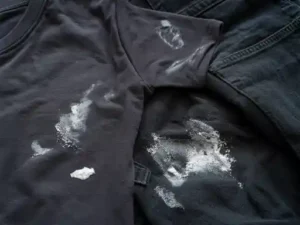
You’re not alone in this battle against persistent laundry marks. Many households across the USA struggle with this issue, often blaming their washing machine, their detergent, or even themselves. The good news is that these white spots aren’t a sign of permanent damage, and understanding their root causes is the first step toward banishing them for good. In this comprehensive guide, we’ll dive deep into the various reasons behind those stubborn white marks on dark clothes after washing, from common culprits like detergent residue and hard water to less obvious factors. We’ll equip you with practical tips, preventive measures, and effective solutions to ensure your dark laundry always comes out looking its best, saving you time, effort, and the disappointment of re-washing.
Understanding the Culprits: Why Do White Spots Appear on Your Dark Clothes?
The appearance of white spots on dark clothes after washing can be attributed to several factors, often working in combination. Identifying the specific cause in your household is key to finding the most effective solution. Let’s break down the primary offenders.
Detergent Residue: The Most Common Offender
This is arguably the most frequent cause of those frustrating white streaks on dark clothes after washing. Detergent residue occurs when the laundry detergent, whether powder or liquid, doesn’t fully dissolve or rinse away during the wash cycle. It then redeposits onto your clothes as a visible white film.
- Too Much Detergent: Overdosing on detergent is a primary reason. Modern washing machines, especially high-efficiency (HE) models, require far less detergent than older machines. Using too much creates excessive suds that are difficult for the machine to rinse away completely.
- Undissolved Powder Detergent: Powder detergents can be particularly problematic if not dissolved properly before contact with clothes, especially in cold water washes. The undissolved granules can cling to fabric fibers.
- Overloaded Washing Machine: Stuffing too many clothes into the washer prevents proper agitation and water circulation, hindering the detergent from dissolving and rinsing effectively.
- Cold Water Washing: While energy-efficient, cold water can make it harder for some detergents (especially powders) to dissolve fully, leading to residue.
Hard Water Headaches: Mineral Deposits
If you live in an area with hard water, mineral deposits might be the reason for the white spots on dark clothes after washing. Hard water contains high levels of dissolved minerals like calcium and magnesium. When these minerals come into contact with detergent and then dry on clothes, they can leave behind a chalky, white film that mimics detergent residue.
- Mineral Buildup: Over time, these minerals can also build up within your washing machine itself, contributing to residue issues and affecting the machine’s efficiency.
- Dull-Looking Darks: Beyond spots, hard water can make dark clothes appear dull or faded over time, as the mineral film coats the fabric.
Fabric Softener & Dryer Sheet Stains
While designed to make clothes soft and static-free, fabric softeners and dryer sheets can sometimes be the culprits behind greasy or waxy white marks on dark clothes after washing (or drying). This often happens due to:
- Direct Application: Pouring liquid fabric softener directly onto clothes instead of into the dispenser can cause concentrated stains.
- Overuse: Using too much fabric softener can leave a sticky residue that attracts lint and dirt, leading to white marks.
- Dispenser Clogs: If your machine’s fabric softener dispenser is clogged or not cleaned regularly, the softener may not dispense properly, leaving concentrated residue.
- Dryer Sheet Residue: Over-drying clothes with dryer sheets, or using too many, can sometimes leave a waxy film that appears as light streaks.
Undissolved Lint and Tissue Traces
Sometimes, the “white spots” aren’t chemical residue at all, but rather physical debris that got caught in the wash.
- Forgotten Tissues: A rogue tissue left in a pocket can disintegrate into countless white flecks that cling to clothes during the wash.
- Lint and Pet Hair: Washing dark clothes with lint-shedding items (like towels or fleece) or clothes covered in pet hair can transfer these fibers, making them appear as white spots.
- Pocket Debris: Small pieces of paper, receipts, or other light-colored debris left in pockets can break down and spread.
Washing Machine Issues
Your washing machine itself can contribute to the problem if it’s not functioning optimally.
- Dirty Drum: If the inside of your washing machine is dirty, with accumulated detergent, fabric softener, or mineral buildup, these residues can transfer to your clothes during the cycle.
- Clogged Dispenser: A clogged detergent or fabric softener dispenser can prevent proper dispensing and rinsing.
- Insufficient Rinse Cycle: Some machines might have an inefficient rinse cycle, or you might be using a setting that doesn’t provide enough rinsing for your load size or detergent amount.
Your Ultimate Guide to Preventing White Spots on Dark Clothes
Now that we understand why those pesky white spots on dark clothes after washing appear, let’s look at a comprehensive strategy to prevent them. A few simple adjustments to your laundry routine can make a world of difference.
Pre-Wash Preparations
- Check Pockets Thoroughly: Before washing, meticulously check all pockets for tissues, receipts, coins, or any other small items that could disintegrate or leave marks.
- Shake Out Items: Give clothes a good shake to dislodge any loose debris, lint, or pet hair before loading them into the washer.
- Turn Darks Inside Out: This helps protect the outer surface of your dark garments from abrasion, which can lead to fading and makes any residue less noticeable.
- Sort Clothes Properly: Always wash darks separately from light-colored, lint-shedding items (like towels, fleece blankets, or heavily soiled work clothes).
Smart Detergent Usage
- Measure Precisely: This is perhaps the single most important step. Read your detergent’s instructions carefully and use the recommended amount for your load size and water hardness. For HE machines, use HE-specific detergent and even less than suggested, as they are concentrated. When in doubt, use slightly less.
- Choose Liquid Detergent for Darks: Liquid detergents tend to dissolve more easily, especially in cold water, reducing the risk of undissolved particles leaving white marks on dark clothes after washing.
- Dissolve Powder Detergent First (If Used): If you prefer powder detergent, dissolve it in a cup of warm water before adding it to the dispenser or directly into the drum, especially for cold water washes.
- Consider Darks-Specific Detergents: Many brands offer detergents specifically formulated for dark clothes, which are designed to prevent fading and residue.
Optimizing Your Wash Cycle
- Don’t Overload the Machine: Give your clothes room to tumble freely. An overloaded washer prevents proper agitation and rinsing, leading to trapped detergent residue and inadequate cleaning.
- Use the Correct Water Temperature: While cold water is great for energy saving and preventing fading in darks, if you’re consistently getting residue, try a warm water cycle (if safe for the fabric) to help dissolve detergent more effectively.
- Add an Extra Rinse Cycle: Most modern washing machines have an “extra rinse” option. Using this for dark loads can significantly help flush away any lingering detergent or mineral residue.
- Pre-Treat Heavy Stains: Deal with heavy stains before washing to avoid needing extra detergent in the main wash, which can lead to residue.
The Drying Process Matters
- Clean Your Lint Trap: A clean lint trap is crucial for efficient drying and preventing lint from redepositing onto your dark clothes. Clean it before every load.
- Air Dry When Possible: Air drying can help prevent some types of dryer-related residue and is gentler on clothes.
- Use Dryer Sheets Sparingly or Opt for Wool Dryer Balls: If you use dryer sheets, use only one, and ensure it’s not sticking to clothes. Wool dryer balls are a great eco-friendly alternative that reduces static without leaving residue.
Regular Washing Machine Maintenance
- Clean Your Dispenser: Regularly clean your detergent and fabric softener dispensers to prevent buildup that can impede proper dispensing.
- Run a Cleaning Cycle: Once a month, run an empty hot water cycle with a washing machine cleaner or two cups of white vinegar to remove detergent, fabric softener, and mineral buildup from the drum and internal components. This is especially important if you have hard water or consistently get white spots on dark clothes after washing.
How to Remove Existing White Spots
Even with the best preventive measures, you might occasionally encounter white spots on dark clothes after washing. Here’s how to tackle them:
- Re-wash Without Detergent: For most detergent or fabric softener residue, a simple re-wash in warm water with no additional detergent (and an extra rinse cycle) can often solve the problem.
- White Vinegar Soak/Rinse: For stubborn mineral or detergent residue, soak the affected garment in a solution of one part white vinegar to one part water for 30 minutes, then re-wash. Alternatively, add 1/2 cup of white vinegar to your washing machine’s fabric softener dispenser during the rinse cycle.
- Spot Treatment: For localized spots, gently rub the area with a damp cloth or a soft brush. For sticky or waxy residue (from fabric softener), a dab of rubbing alcohol on a cotton ball can sometimes help, but always patch test first.
- Lint Roller or Tape: If the spots are simply lint or tissue fragments, a lint roller or even sticky tape can quickly pick them off.
- Dry Brushing: Sometimes, a stiff-bristled brush can gently brush off dry, powdery residue.
Recommended Products
HE Liquid Laundry Detergent for Darks
Specifically formulated detergents designed to prevent fading and minimize residue on dark garments. Essential for preventing white spots on dark clothes after washing.
Washing Machine Cleaner
Tablets or liquids that effectively remove detergent buildup, mold, and mildew from your machine, ensuring cleaner rinses and preventing residue transfer.
Hard Water Laundry Detergent/Additive
If hard water is your issue, these products are formulated to combat mineral deposits, helping to prevent white marks on dark clothes after washing.
Wool Dryer Balls
An eco-friendly alternative to dryer sheets that reduces static and drying time without leaving behind waxy residue or contributing to white spots.
Frequently Asked Questions About White Spots on Dark Clothes After Washing
Q1: Is it always detergent residue causing white spots on dark clothes after washing?
A: While detergent residue is the most common culprit, it’s not the only one. Mineral deposits from hard water, fabric softener stains, undissolved lint, pet hair, or even forgotten tissues in pockets can all lead to those frustrating white marks on dark clothes after washing. It’s important to consider all possibilities to effectively troubleshoot the problem.
Q2: Can hard water really cause white spots on my dark laundry?
A: Absolutely. Hard water contains high levels of minerals like calcium and magnesium. These minerals can react with detergents and, when the water evaporates, leave behind a chalky, white film on your clothes, mimicking detergent residue. If you live in an area known for hard water, this is a very likely cause for your white spots on dark clothes after washing.
Q3: How do I know if I’m using too much detergent?
A: Several signs indicate you might be using too much detergent. These include excessive suds during the wash cycle, clothes feeling stiff or sticky after drying, a powdery residue on your dark clothes, or even a musty smell in your washing machine. Modern HE machines require significantly less detergent than traditional ones, so always check the product’s measuring guidelines.
Q4: What’s the best way to remove existing white spots from dark clothes?
A: For most cases of detergent or mineral residue, re-washing the garment in warm water with no additional detergent (and an extra rinse cycle) is often effective. For stubborn spots, a quick soak in a 1:1 white vinegar and water solution before re-washing can work wonders. For lint or tissue, a lint roller or sticky tape can quickly pick them off.
Q5: Should I avoid fabric softener on dark clothes to prevent white marks?
A: Not necessarily avoid it entirely, but use it judiciously. Fabric softener, especially when overused or poured directly onto clothes, can leave waxy or greasy white marks on dark clothes after washing. If you use it, ensure you’re measuring correctly, diluting it if necessary, and adding it to the designated dispenser. Consider using wool dryer balls as an alternative to liquid softeners or dryer sheets.
Q6: How often should I clean my washing machine to prevent residue?
A: It’s recommended to clean your washing machine at least once a month, or more frequently if you do a lot of laundry, live in a hard water area, or notice persistent white spots on dark clothes after washing. Running an empty hot water cycle with a specialized washing machine cleaner or two cups of white vinegar can help remove buildup and keep your machine running efficiently.
Conclusion
Encountering white spots on dark clothes after washing is a common and vexing laundry problem, but as we’ve explored, it’s one with clear causes and effective solutions. From the ubiquitous issue of detergent residue to the often-overlooked impact of hard water and even simple forgotten tissues, understanding the source is your first step towards pristine darks. By adopting a few mindful changes to your laundry routine, you can significantly reduce, if not eliminate, these frustrating marks.
Remember the key takeaways: measure your detergent accurately (less is often more, especially for HE machines), sort your laundry carefully, consider the impact of hard water, and don’t forget the importance of regular washing machine maintenance. By implementing these practical tips, you’ll not only save your dark clothes from unsightly blemishes but also improve the overall efficiency of your laundry process. Say goodbye to re-washing and hello to perfectly clean, vibrant dark garments every time. Your dark wardrobe will thank you!