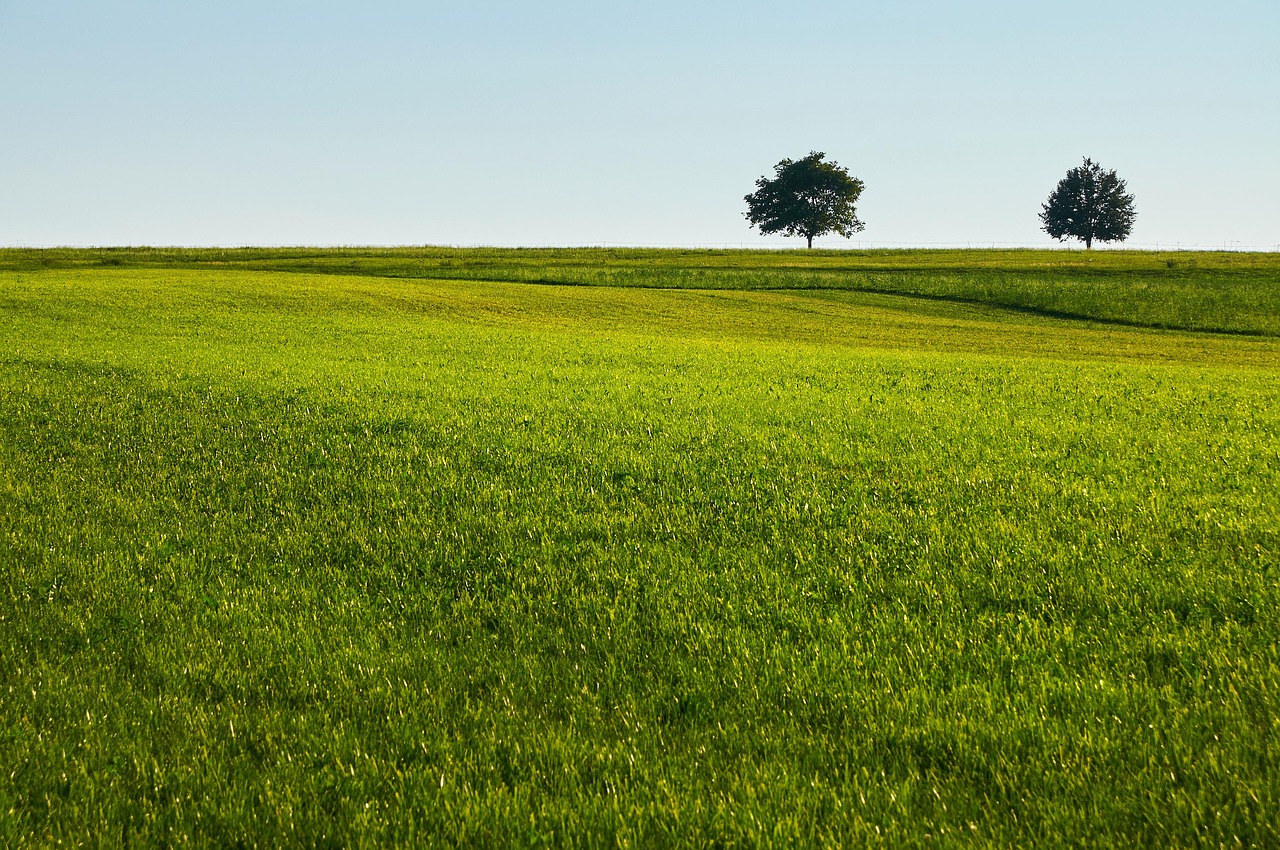
Understanding the cause of these vibrant, often out-of-place, green patches is the first step toward achieving a consistently lush and healthy lawn. In this comprehensive guide, we’ll dive deep into the most common reasons behind these dark green spots, offer practical solutions, and provide expert tips to help you restore your lawn to its uniform glory. Get ready to transform your patchy grass into the envy of your neighborhood!
The Mystery of the Dark Green Spots: Common Causes
Dark green spots on your lawn aren’t just an aesthetic issue; they’re often a signal that something is amiss beneath the surface or in your lawn care routine. Let’s explore the primary reasons why you have dark green spots on your lawn and how to identify each one.
1. Uneven Fertilization: The Most Common Culprit
One of the most frequent reasons for discovering particularly dark green spots on your lawn is uneven fertilizer application. Fertilizers, especially those high in nitrogen, are designed to boost grass growth and color. When applied haphazardly, some areas receive a concentrated dose, leading to a localized surge in growth and a much darker green hue.
- How it happens: Overlapping passes with a spreader, spilling granular fertilizer, or not calibrating your spreader correctly.
- Appearance: Often appears as stripes, distinct patches, or even circular spots where a clump of fertilizer may have landed.
- The “Too Much of a Good Thing” Effect: While a little nitrogen is great, too much can “burn” the grass, turning it yellow or brown, but before that, it often exhibits an intense dark green.
2. Pet Urine: A Nitrogen-Rich Surprise
If you have pets, particularly dogs, their urine can be a significant factor. Dog urine is highly concentrated in nitrogen and salts. While excessive amounts can “burn” the grass, leaving brown spots with a dark green ring around them, a less concentrated dose can act like a powerful shot of fertilizer.
- Appearance: Typically circular dark green spots, sometimes with a dead or yellow center if the nitrogen concentration was very high.
- Why it’s dark green: The nitrogen in the urine promotes vigorous growth and chlorophyll production in the surrounding grass that receives a diluted, fertilizing dose.
- Location: Often found in areas where pets frequently relieve themselves.
3. Fungal Diseases: The Deceptive Rings
Certain lawn diseases can manifest as dark green spots or rings. Fungi like Necrotic Ring Spot or Summer Patch can initially cause grass to appear darker green before eventually weakening or killing it, often forming distinct patterns.
- Necrotic Ring Spot: Often starts as dark green patches or rings that eventually turn brown or straw-colored, with healthier grass in the center (a “frog-eye” appearance).
- Summer Patch: Similar to Necrotic Ring Spot, it creates circular patches or rings of darker green grass that can later turn brown. It thrives in hot, humid conditions and compacted soil.
- Identifying: Look for specific patterns, especially rings, and examine individual grass blades for lesions or discoloration.
4. Localized Organic Matter or Nutrient Sources
Sometimes, the cause is literally under your feet. Buried organic matter, such as old tree stumps, construction debris, or even a forgotten compost pile, can decompose and release a slow, steady supply of nitrogen and other nutrients into the soil above it.
- Decomposing Debris: As organic matter breaks down, it enriches the soil directly above it, leading to localized dark green growth.
- Nitrogen-Fixing Plants: While less common for “spots,” a dense patch of clover (which fixes nitrogen from the air) can make the surrounding grass appear darker.
- Accidental Spills: A forgotten spill of a nutrient-rich liquid (like a plant food solution or even some household cleaners) can create a dark green spot.
5. Soil Compaction and Poor Drainage (Indirect Cause)
While not a direct cause of dark green spots, soil compaction can contribute to conditions that lead to them. Compacted soil can hinder nutrient uptake in some areas, while in others, it might inadvertently concentrate nutrients or moisture, leading to localized areas of healthier, darker grass or creating an environment conducive to fungal growth.
Solving the Mystery: Practical Solutions for a Uniform Lawn
Once you’ve identified the potential reason why you have dark green spots on your lawn, it’s time to take action. Here are practical steps and advice to help you achieve a consistently green and healthy lawn.
1. Address Uneven Fertilization
- Water Thoroughly: If you suspect a recent over-application, immediately water the affected area deeply to help dilute and distribute the excess nutrients. This can prevent burn and help even out the color.
- Calibrate Your Spreader: Before applying fertilizer, always calibrate your spreader according to the manufacturer’s instructions and the specific product you’re using.
- Use a Broadcast Spreader: For granular fertilizers, a broadcast spreader provides more even coverage than a drop spreader. Make sure to overlap your passes slightly.
- Apply Consistently: Walk at a consistent pace and ensure even coverage across your entire lawn.
- Consider Liquid Fertilizers: Some homeowners find liquid fertilizers easier to apply evenly, though they require careful attention to dilution rates.
2. Managing Pet Urine Spots
- Dilute Immediately: As soon as your pet urinates, hose down the spot with water to dilute the nitrogen and salts.
- Train Your Pet: Designate a specific area of the yard for your pet to relieve themselves, ideally in a non-lawn area.
- Supplements: Some pet supplements claim to alter urine composition, but results vary, and it’s best to consult a vet.
- Repair Damaged Spots: If a dark green spot turns to a brown patch, rake out the dead grass and overseed with new grass seed, keeping the area moist until established.
3. Treating Fungal Diseases
- Proper Identification: If you suspect a fungal disease, it’s crucial to correctly identify it. Consult with a local extension office or a professional lawn care service.
- Fungicides: Apply appropriate fungicides as directed. Rotate different types of fungicides to prevent resistance.
- Cultural Practices:
- Water Wisely: Water deeply and infrequently, preferably in the early morning to allow grass to dry before nightfall.
- Improve Air Circulation: Prune overgrown shrubs or trees that shade the lawn.
- Dethatch and Aerate: Reduce thatch buildup and alleviate soil compaction to improve overall lawn health.
4. Addressing Localized Nutrient Sources
- Soil Test: A professional soil test can reveal nutrient imbalances. This is an excellent first step for any persistent lawn issue.
- Remove Debris: If you suspect buried organic matter, carefully excavate the area to remove it.
- Even Out Soil: Once debris is removed, fill the hole with good quality topsoil and reseed.
- Topdressing: Applying a thin layer of compost or good quality topsoil over your entire lawn can help to even out nutrient distribution over time.
5. Improve Soil Health and Drainage
- Aeration: If soil compaction is an issue, aerate your lawn regularly, especially in high-traffic areas. This improves air, water, and nutrient penetration.
- Topdressing with Compost: Regular topdressing with organic compost can significantly improve soil structure, drainage, and overall nutrient availability, leading to more uniform growth.
- Proper Watering: Ensure your entire lawn is receiving consistent, deep watering to encourage deep root growth.
Recommended Products
Lawn Soil Test Kit
Essential for understanding your lawn’s specific nutrient needs and pH levels, guiding your fertilization strategy.
Broadcast Spreader
Ensures even and consistent application of granular fertilizers and grass seed across your lawn, preventing uneven growth and dark spots.
Pet Spot Repair Grass Seed
Specifically formulated grass seed blends designed to quickly repair and grow in areas damaged by pet urine, blending with existing turf.
Lawn Fungicide
Effective treatment for common lawn diseases like Necrotic Ring Spot or Summer Patch, helping to restore uniform health and color.
Spike Aerator Shoes
A simple and cost-effective way to alleviate minor soil compaction, improving water and nutrient penetration for healthier roots.
Frequently Asked Questions About Dark Green Spots
Q1: Can overwatering cause dark green spots on my lawn?
While overwatering typically doesn’t directly cause dark green spots, it can contribute to conditions that do. Excess moisture can lead to shallow roots, nutrient leaching, or create an ideal environment for certain fungal diseases that might initially present as darker patches before turning brown. It’s more likely that localized areas of poor drainage might concentrate nutrients, making grass appear darker, or contribute to fungal issues.
Q2: How quickly can dark green spots appear after a fertilizer application?
If caused by uneven fertilizer application, dark green spots can become noticeable within a few days to a week after the fertilizer is applied, especially if it’s a fast-acting, nitrogen-rich product and conditions are favorable for growth (warm weather, adequate moisture).
Q3: Are dark green spots always a sign of a problem?
Not necessarily always a “problem” in the sense of disease or imminent death, but they are almost always a sign of inconsistency in your lawn’s environment or care. Whether it’s uneven nutrient distribution or a localized growth stimulant, it indicates a lack of uniformity that most homeowners aim to avoid.
Q4: Can different grass types cause these spots?
Yes, occasionally. If different grass varieties have naturally infiltrated your lawn, they might have varying shades of green. For example, if a patch of a darker green Fescue or Rye grass grows within a predominantly lighter green Kentucky Bluegrass lawn, it could appear as a “dark green spot.” This is less common for distinct spots and more for larger patches.
Q5: How can a soil test help with dark green spots?
A soil test is invaluable because it provides a precise analysis of your soil’s nutrient levels (nitrogen, phosphorus, potassium, etc.) and pH. This information can confirm if nutrient imbalances are causing the spots and guide you on how to uniformly fertilize your entire lawn, ensuring consistent color and health. It can also rule out deficiencies that might make other areas appear lighter.
Q6: Should I mow the dark green spots differently?
No, generally not. Mowing the dark green spots shorter or more frequently will not resolve the underlying cause and could potentially stress the grass. Continue with your regular mowing height and schedule for the entire lawn. Addressing the cause (fertilization, pet urine, disease) is the correct approach.
Conclusion: Achieving a Uniformly Green Lawn
Discovering why you have dark green spots on your lawn is the first step toward achieving the lush, uniform turf you desire. As we’ve explored, these vibrant but inconsistent patches are usually indicators of localized nutrient imbalances, whether from uneven fertilization, pet urine, hidden organic matter, or even the early stages of certain fungal diseases. The good news is that most of these issues are entirely manageable with the right knowledge and consistent care.
By taking the time to observe your lawn, identify potential culprits, and implement targeted solutions – from correcting fertilization techniques and managing pet activity to improving soil health and addressing any fungal threats – you can transform your patchy lawn into a consistent carpet of green. Remember, a healthy lawn is a happy lawn, and paying attention to these small details will lead to significant improvements in your yard’s overall appearance and vitality. Stay proactive, be patient, and enjoy the journey to a beautifully uniform lawn!
“`