
If you’ve ever looked down at your legs and wondered, Why do I have dark spots on my legs you’re certainly not alone. These unsightly marks, often ranging from light brown to deep black, can be a source of frustration, making you hesitant to show off your gams. Whether they’re scattered freckle-like spots, larger patches, or marks left behind by past blemishes, understanding their origin is the first step towards achieving clearer, more even-toned skin.
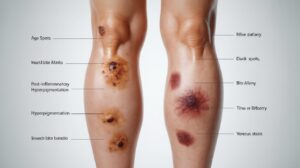
Dark spots on the legs are a common dermatological concern, primarily falling under the umbrella of hyperpigmentation. This simply means there’s an overproduction of melanin, the pigment responsible for skin color, in specific areas. While often harmless, they can sometimes indicate underlying issues or simply be a stubborn cosmetic challenge. This comprehensive guide will delve into the various reasons behind these dark spots, from everyday occurrences like sun exposure and shaving mishaps to more specific skin conditions. We’ll also equip you with practical advice on prevention and effective treatment options, helping you gain confidence in your skin once more. Let’s uncover the secrets to smoother, more radiant legs.
Understanding Hyperpigmentation: The Root Cause of Dark Spots
At its core, the presence of dark spots on your legs is usually a manifestation of hyperpigmentation. This occurs when melanocytes, specialized cells in the skin, produce an excess of melanin in response to various triggers. When this melanin clumps together or is deposited unevenly, it results in the darker patches or spots we observe.
There are several types of hyperpigmentation, but the most common one affecting the legs is Post-Inflammatory Hyperpigmentation (PIH). PIH develops after the skin has experienced some form of inflammation or injury. As the skin heals, it may leave behind a dark mark due to increased melanin production in the affected area. Other forms, like sun-induced hyperpigmentation, are also prevalent on the legs due to exposure.
Common Reasons Why You Have Dark Spots On Your Legs
Let’s break down the specific culprits that might be causing those unwelcome dark spots on your legs.
1. Post-Inflammatory Hyperpigmentation (PIH) from Injuries and Irritation
This is perhaps the most frequent answer to “why do I have dark spots on my legs?” PIH occurs after your skin has been through some trauma or irritation. The resulting inflammation triggers melanocytes to produce more pigment, leaving a dark mark once the initial issue resolves.
- Ingrown Hairs and Shaving Bumps: Shaving, waxing, or epilating can lead to ingrown hairs (folliculitis) or razor bumps. These inflammatory reactions often leave behind a dark spot as they heal. This is a primary reason for many small, scattered dark spots on the lower legs.
- Insect Bites and Stings: Mosquito bites, spider bites, or other insect stings cause localized inflammation and itching. Scratching these can exacerbate the inflammation, almost guaranteeing a dark spot as a souvenir.
- Acne and Folliculitis: Just like facial acne, pimples and folliculitis (inflammation of hair follicles) can occur on the legs. Once these blemishes clear, they often leave behind a dark spot, especially if picked or squeezed.
- Cuts, Scrapes, and Burns: Any form of skin injury, from a minor scrape to a more significant burn, can result in PIH during the healing process. The darker the initial injury, the more likely a noticeable dark spot will remain.
- Eczema and Psoriasis: Chronic inflammatory skin conditions like eczema or psoriasis can cause persistent itching and irritation. The repeated scratching and inflammation can lead to significant PIH, resulting in widespread dark patches.
2. Sun Exposure (Photoaging)
The sun is a major contributor to hyperpigmentation on any exposed skin, including your legs. Over time, cumulative sun exposure can lead to:
- Sunspots (Solar Lentigines): These are flat, benign dark spots that appear on sun-exposed areas. Often mistaken for freckles, sunspots tend to be larger, more defined, and don’t fade in winter. They are a classic answer to “why do I have dark spots on my legs, especially after summer?”
- Uneven Skin Tone: Prolonged sun exposure can lead to a general darkening and unevenness of skin tone on the legs, making existing spots more prominent.
UV radiation stimulates melanin production as a protective mechanism. Without adequate sun protection, your legs are susceptible to developing these age-related dark spots.
3. Friction and Irritation
Constant rubbing or friction can also trigger melanin production. This is often seen in areas where skin rubs against skin or against clothing.
- Tight Clothing: Wearing tight pants or leggings regularly can cause friction, particularly in the inner thigh area, leading to hyperpigmentation.
- Chafing: Similar to tight clothing, chafing from skin-on-skin contact can cause irritation and subsequent darkening.
4. Varicose Veins and Venous Insufficiency
While not strictly hyperpigmentation in the traditional sense, issues with your circulatory system can manifest as dark spots or discoloration on the legs, particularly around the ankles and lower calves.
- Hemosiderin Staining: If you have venous insufficiency (poor blood flow in your leg veins), blood can leak out of capillaries into the surrounding tissue. The iron in the red blood cells (hemosiderin) then stains the skin, causing reddish-brown or dark brown patches. This is a common answer to why do I have dark spots on my legs if they appear predominantly on the lower parts and are associated with swelling or discomfort.
- Spider Veins: While usually purplish or bluish, very dense networks of spider veins can give the appearance of a darker patch on the skin.
5. Dermatological Conditions
Less commonly, certain skin conditions can be the reason behind dark spots:
- Acanthosis Nigricans: This condition presents as dark, thick, velvety patches, often in skin folds (like the groin or behind the knees). It’s frequently associated with insulin resistance, obesity, or hormonal disorders.
- Lichen Planus: An inflammatory condition that can cause purplish, itchy bumps. As these lesions heal, they can leave behind persistent dark spots.
- Fungal Infections (e.g., Tinea Versicolor): While often causing lighter patches, some fungal infections can also lead to darker, scaly spots, especially in warmer climates.
6. Medications
Certain medications can cause hyperpigmentation as a side effect. These can include some antibiotics, anti-malarial drugs, and even non-steroidal anti-inflammatory drugs (NSAIDs) in rare cases. If you notice new dark spots appearing after starting a new medication, consult your doctor.
Preventing Dark Spots on Your Legs
Prevention is always better than cure, especially when it comes to hyperpigmentation. Here’s how to minimize your risk of developing new dark spots on your legs:
- Practice Smart Shaving & Hair Removal:
- Exfoliate Gently: Before shaving, use a gentle physical or chemical exfoliant (like a mild AHA/BHA wash) to remove dead skin cells and free trapped hairs.
- Use a Sharp Razor: Dull razors pull and tug, increasing irritation. Replace your razor blade frequently.
- Shave with the Grain: Shaving in the direction of hair growth reduces irritation and the likelihood of ingrown hairs.
- Moisturize Post-Shave: Apply a rich, soothing, fragrance-free moisturizer immediately after shaving to hydrate and calm the skin.
- Consider Alternatives: Laser hair removal, depilatory creams, or waxing (if done correctly) can reduce the frequency of irritation from daily shaving.
- Sun Protection is Paramount:
- Daily SPF: Apply a broad-spectrum sunscreen with an SPF of 30 or higher to your legs whenever they are exposed to the sun. Reapply every two hours, or more often if swimming or sweating.
- Protective Clothing: Wear long pants or skirts, especially during peak sun hours, to physically block UV rays.
- Moisturize Regularly: Keeping your skin hydrated strengthens its barrier function, making it less susceptible to irritation and inflammation that can lead to PIH. Choose emollients that are free of harsh chemicals and fragrances.
- Avoid Picking and Scratching: Resist the urge to pick at insect bites, blemishes, or scabs. This prolongs inflammation and significantly increases the chance of leaving a dark spot.
- Address Underlying Conditions: If you have eczema, psoriasis, or issues with venous insufficiency, work with a doctor to manage these conditions effectively. Controlling the inflammation is key to preventing subsequent dark spots.
Effective Treatments for Dark Spots on Legs
If you already have dark spots on your legs, don’t despair! A combination of topical treatments and professional procedures can significantly improve their appearance.
1. Topical Treatments (Over-the-Counter and Prescription)
Consistency is crucial with topical treatments. It can take several weeks to months to see noticeable results.
- Exfoliating Acids (AHAs & BHAs):
- Alpha Hydroxy Acids (AHAs) like glycolic acid and lactic acid help shed dead skin cells, revealing brighter skin underneath. They are great for surface pigmentation.
- Beta Hydroxy Acids (BHAs) like salicylic acid penetrate oil, making them excellent for dark spots caused by ingrown hairs or folliculitis.
- Vitamin C: A powerful antioxidant that brightens skin, inhibits melanin production, and protects against environmental damage.
- Niacinamide (Vitamin B3): Reduces inflammation, improves skin barrier function, and helps prevent melanin transfer to skin cells.
- Retinoids (Retinol, Tretinoin): Boost cell turnover, helping to shed pigmented cells faster. Retinoids also encourage collagen production, improving skin texture. Prescription-strength tretinoin is more potent.
- Melanin Inhibitors:
- Kojic Acid: Derived from fungi, it inhibits tyrosinase, an enzyme necessary for melanin production.
- Azelaic Acid: Reduces inflammation and has mild exfoliating and skin-lightening properties.
- Arbutin: A natural derivative of hydroquinone, it safely inhibits melanin production.
- Hydroquinone: A powerful depigmenting agent, available over-the-counter in lower concentrations (2%) and by prescription (4% and higher). It works by decreasing melanin production and increasing melanin breakdown. Use under professional guidance due to potential side effects.
2. Professional Treatments
For stubborn or widespread dark spots on your legs, a dermatologist can offer more intensive treatments.
- Chemical Peels: A dermatologist applies a chemical solution to exfoliate the top layers of skin, promoting new, less pigmented skin cell growth. Different strengths are available, from superficial to medium-depth.
- Laser Therapy:
- Intense Pulsed Light (IPL): Uses broad-spectrum light to target pigment, effective for sunspots and general unevenness.
- Pulsed Dye Laser (PDL): Can target the redness associated with fresh PIH, preventing it from darkening further.
- Fractional Lasers (e.g., Fraxel): Create microscopic injuries in the skin, stimulating new collagen and healthy skin growth, effective for deeper pigmentation and texture improvement.
- Microdermabrasion: A minimally invasive procedure that uses a device to gently sand off the outer layer of skin, helping to fade superficial dark spots and improve skin texture.
- Prescription Creams: Your dermatologist may prescribe stronger retinoids, hydroquinone, or combination creams tailored to your specific condition.
3. Lifestyle Adjustments
Supporting your skin from the inside out also plays a role. A diet rich in antioxidants (fruits, vegetables), adequate hydration, and managing stress can contribute to overall skin health and healing.
Recommended Products
Neutrogena Hydro Boost Body Gel Cream
A lightweight, hydrating moisturizer with hyaluronic acid, perfect for daily use to keep skin supple and reduce irritation.
CeraVe SA Lotion for Rough & Bumpy Skin
Contains salicylic acid to gently exfoliate and smooth skin, addressing dark spots from ingrown hairs and rough texture.
Paula’s Choice 2% BHA Liquid Exfoliant
A highly-rated salicylic acid exfoliant that can be used on the body to target ingrown hairs, breakouts, and associated dark spots.
Supergoop! PLAY Everyday Lotion SPF 50
A broad-spectrum, water-resistant sunscreen that’s great for daily protection on the body, crucial for preventing new dark spots.
Topicals Faded Serum for Dark Spots & Discoloration
A popular serum containing ingredients like tranexamic acid, niacinamide, and azelaic acid to target various forms of hyperpigmentation.
Frequently Asked Questions About Dark Spots on Legs
Q1: How long does it take for dark spots on legs to fade?
The fading time for dark spots on your legs varies greatly depending on the cause, depth of the pigmentation, and the treatment approach. Superficial spots from recent inflammation might fade in a few weeks to a few months with consistent treatment and sun protection. Deeper, older spots, especially those from significant sun exposure or chronic inflammation, can take six months to a year, or even longer, to significantly lighten. Patience and consistency with your chosen treatments are key.
Q2: Can dark spots on legs be a sign of something serious?
Most dark spots on legs are benign and primarily a cosmetic concern, often linked to PIH or sun exposure. However, in rare cases, new or changing dark spots could indicate something more serious. If a spot is rapidly changing in size, shape, or color, has irregular borders, or is bleeding, itching, or painful, it’s crucial to consult a dermatologist to rule out conditions like melanoma or other skin cancers. Also, widespread, velvety dark patches (Acanthosis Nigricans) can be a sign of underlying insulin resistance or other systemic health issues.
Q3: Is exfoliating good for dark spots on legs?
Yes, gentle exfoliation can be highly beneficial for dark spots on legs. Exfoliation helps remove the top layers of dead, pigmented skin cells, encouraging cell turnover and revealing newer, less pigmented skin underneath. Chemical exfoliants like AHAs (glycolic, lactic acid) and BHAs (salicylic acid) are particularly effective. However, avoid harsh scrubbing or over-exfoliation, which can cause irritation and worsen hyperpigmentation.
Q4: Can diet affect dark spots on my legs?
While diet isn’t a direct cause or cure for most dark spots on legs, a healthy diet can support overall skin health, which aids in healing and prevention. Foods rich in antioxidants (berries, leafy greens, colorful vegetables) can help protect skin cells from damage and inflammation. Staying hydrated is also important for skin barrier function. If your dark spots are related to conditions like Acanthosis Nigricans, dietary changes to manage blood sugar (e.g., reducing refined carbs and sugars) can be very impactful.
Q5: What’s the difference between sunspots and post-inflammatory hyperpigmentation?
Sunspots (solar lentigines) are caused by chronic, cumulative sun exposure over time. They are typically flat, well-defined brown spots that appear on sun-exposed areas and don’t fade much in winter. Post-inflammatory hyperpigmentation (PIH), on the other hand, results from any form of skin injury or inflammation (like acne, cuts, insect bites, or ingrown hairs). PIH can vary in color from pink to red to brown or black, often mirroring the shape of the original injury, and tends to fade more readily with consistent treatment and sun protection, though it can be stubborn.
Q6: Can I use facial dark spot correctors on my legs?
Yes, in many cases, you can use facial dark spot correctors on your legs. The active ingredients (like retinoids, vitamin C, AHAs, BHAs, niacinamide, hydroquinone) are often the same. However, skin on the legs can be thicker and less sensitive than facial skin, so you might tolerate higher concentrations or more frequent application. Always patch-test a small area first to ensure there’s no adverse reaction. Also, consider that products formulated for the face often come in smaller sizes and can be more expensive, so you might look for body-specific treatments with similar active ingredients for better value when treating larger areas.
Conclusion
Discovering dark spots on your legs can be a bothersome experience, but as we’ve explored, they are a very common concern with a range of identifiable causes. From the lingering marks of ingrown hairs and insect bites (Post-Inflammatory Hyperpigmentation) to the cumulative effects of sun exposure and, in some cases, underlying health conditions, understanding the “why” is the crucial first step. The good news is that with the right knowledge and consistent effort, these spots are often treatable and preventable.
Remember the importance of gentle hair removal techniques, diligent sun protection, and regular moisturizing to prevent new spots from forming. For existing marks, a combination of targeted topical treatments like AHAs, BHAs, Vitamin C, and retinoids, or professional interventions such as chemical peels and laser therapy, can make a significant difference. Be patient with your skin, as fading hyperpigmentation takes time and consistency. If you’re unsure about the cause of your dark spots or if they are persistent or changing, always consult a dermatologist for a personalized diagnosis and treatment plan. With a little care and attention, you can confidently stride forward with clearer, more radiant legs.