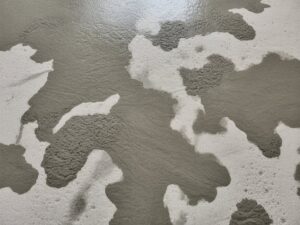
The appearance of dark spots on freshly poured concrete isn’t just an aesthetic issue; it often points to underlying factors related to the concrete mix, pouring process, curing, or environmental conditions. Understanding these causes is the first step toward addressing the problem and ensuring the longevity and appearance of your concrete. In this comprehensive guide, we’ll delve into the various reasons behind concrete discoloration, offer practical advice for troubleshooting, and provide tips for prevention, helping you restore confidence in your new concrete investment. Let’s explore why these mysterious dark patches appear and what you can do about them.
Understanding the Common Causes of Dark Spots on New Concrete
When you see dark spots on concrete, especially new concrete, it’s usually a sign of moisture. Concrete is a porous material, and how it dries and cures is crucial to its final appearance. Several factors can contribute to inconsistent drying or other issues that manifest as darker areas.
1. Uneven Drying and Curing
This is arguably the most common culprit. Concrete needs to cure slowly and evenly to gain strength and achieve a uniform color. If parts of the concrete dry faster or slower than others, you’ll see color variations.
- Inconsistent Moisture Content: Some areas of the concrete might have retained more water during mixing or absorbed more from the subgrade. These areas will take longer to dry, appearing darker.
- Varying Exposure to Elements: Direct sunlight, wind, or shade can cause different sections of your concrete to dry at different rates. For instance, areas exposed to more sun will dry quicker and appear lighter, while shaded areas or those where water pooled will remain darker.
- Inadequate Curing Practices: If the concrete isn’t properly cured (e.g., not kept consistently moist with wet burlap, misting, or curing compounds), some areas might dry out prematurely, while others hold moisture unevenly.
- Subgrade Moisture: If the ground beneath your concrete slab has varying moisture levels or poor drainage, certain sections of the concrete might wick up more moisture from below, leading to persistent dark spots.
2. Differences in Concrete Mix or Batching
While concrete is mixed to strict specifications, slight variations can occur, particularly if concrete is delivered in multiple batches.
- Water-Cement Ratio Inconsistencies: A slightly higher water-cement ratio in one part of the mix can lead to a darker, less durable concrete in that area.
- Aggregate Variations: Different types or concentrations of aggregates (sand, gravel) can influence how the concrete absorbs and reflects light, leading to subtle color differences. If certain aggregates are brought to the surface during finishing, they might also contribute to darker patches.
- Admixtures: Chemical admixtures (like accelerators, retarders, or water reducers) can sometimes react unevenly within the concrete, causing localized discoloration. Calcium chloride, a common accelerator, is particularly known for sometimes causing dark blotches.
3. Finishing Techniques
The way concrete is finished plays a significant role in its final appearance.
- Over-Troweling: Excessive troweling can bring too much fine material and water to the surface, creating a denser, less permeable layer. These “burned” or “over-troweled” areas tend to appear darker and can be more prone to scaling.
- Uneven Compaction: If the concrete isn’t uniformly compacted, areas with higher density might appear darker due to less porosity and different light reflection.
4. External Factors and Contaminants
Sometimes, the dark spots aren’t inherent to the concrete mix or curing but are caused by external influences.
- Organic Matter: Leaves, grass clippings, or other organic debris left on fresh concrete can leach tannins or other compounds, staining the surface.
- Oil, Grease, or Rust: Spills from machinery, vehicles, or even rust from tools left on the concrete during or after pouring can create immediate dark stains.
- Curing Compound Application: If a curing compound is applied unevenly, some areas might have a thicker coating, which can appear darker or have a different sheen, giving the illusion of a dark spot.
- Rain on Fresh Concrete: Rain falling on partially cured concrete can create pockmarks and unevenly wash away cement paste, leading to variations in texture and color, which can appear as dark spots.
Addressing Dark Spots on New Concrete: Practical Advice
Now that we understand why your new concrete has dark spots, let’s explore what you can do about them. The approach depends largely on the cause and how recently the concrete was poured.
Patience is Key for Most Dark Spots
For many cases of dark spots caused by uneven drying or curing, patience is often the best initial remedy. Concrete can take several weeks, and sometimes even months, to fully dry and achieve its final, uniform color. As moisture slowly dissipates, many dark spots will gradually fade and disappear on their own. Avoid rushing to apply sealers or harsh cleaners too early, as this could exacerbate the problem or cause new issues.
- Allow for Natural Drying: Ensure good airflow around the concrete. If it’s an interior slab, proper ventilation is crucial. For exterior concrete, simply let time and weather do their work.
- Monitor Moisture Levels: If you’re concerned about persistent moisture, a concrete moisture meter can help determine if the spots are still wet internally.
What If the Spots Persist or Are Stains?
If dark spots remain after several weeks or months, or if you suspect they are stains rather than just moisture variations, more active intervention might be necessary.
1. For Surface Stains (Oil, Grease, Organic Matter):
These types of stains require immediate attention, but gentle cleaning is best for new concrete.
- Gentle Cleaning: For organic stains, a mild detergent and warm water with a soft brush can often work. For oil or grease, try a poultice made from an absorbent material (like cat litter, sawdust, or baking soda) mixed with a solvent (mineral spirits or acetone, used with caution and proper ventilation). Apply, let it sit to draw out the stain, then scrape away and rinse.
- Avoid Harsh Chemicals: Do not use acid-based cleaners or pressure washers on new concrete, as they can damage the surface, etch the finish, or create new discoloration.
2. For Persistent Moisture-Related Dark Spots:
If dark spots are clearly due to moisture and aren’t fading, consider these options:
- Improve Drainage: For exterior concrete, ensure proper grading around the slab to direct water away. Address any standing water issues.
- Evaluate Subgrade: If the problem is severe and widespread, it might indicate subgrade issues (e.g., poor compaction, high water table). This is a more significant concern and might require professional assessment.
- Concrete Sealers: Once the concrete is fully cured and dry (typically 28 days or more), a high-quality concrete sealer can help unify the appearance by providing a consistent sheen and protecting against future moisture intrusion and staining. Choose a breathable sealer that won’t trap moisture.
3. For Admixture or Finishing Issues:
These are harder to fix once the concrete has set.
- Resurfacing or Staining: If the discoloration is severe and widespread due to mix or finishing errors, options like concrete resurfacing (applying a thin overlay) or concrete staining/dyeing can be considered to achieve a uniform color. This is typically a job for professionals.
- Professional Consultation: If you suspect the issue stems from the concrete mix or installation process, contact your concrete contractor. They may offer solutions or explanations.
Preventing Dark Spots on Future Concrete Projects
Prevention is always better than cure when it comes to concrete discoloration. Here’s how to minimize the chances of seeing new concrete discoloration:
- Proper Subgrade Preparation: Ensure the subgrade is consistently moist, compacted, and well-drained. A vapor barrier (if applicable, e.g., for interior slabs) can prevent moisture migration from below.
- Consistent Mix and Delivery: Use concrete from a reputable supplier and ensure the water-cement ratio is consistent across all batches. Avoid adding extra water on-site unless approved by the concrete supplier or engineer.
- Uniform Placement and Finishing: Distribute the concrete evenly and finish it consistently across the entire surface. Avoid over-troweling and ensure proper compaction.
- Effective Curing: This is critical. Implement a proper curing regime immediately after finishing. This could involve:
- Wet Curing: Keeping the surface continuously moist with fogging, wet burlap, or curing blankets for at least 7 days.
- Curing Compounds: Applying a liquid membrane-forming curing compound uniformly.
- Avoiding Rapid Drying: Protect the fresh concrete from direct sun, wind, and rain during the initial curing period.
- Protect from Contaminants: Keep the fresh concrete surface clean. Remove leaves, debris, and tools promptly. Protect against oil or grease spills.
- Consider Sealing: Once fully cured (typically 28 days), apply a high-quality concrete sealer. This not only protects the concrete but can also provide a more uniform appearance and prevent future staining.
Recommended Products
While patience is often the first step, certain products can be helpful for assessing and maintaining your concrete, addressing persistent issues, or protecting it long-term. Here are a few suggestions:
Concrete Moisture Meter
Useful for determining if those dark spots are still retaining excessive moisture, helping you decide if further action is needed or if it simply needs more time to dry.
Breathable Concrete Sealer
Once your concrete is fully cured and dry, a breathable sealer can protect it from moisture, stains, and enhance its appearance, potentially unifying minor color variations.
Mild Concrete Cleaner/Stain Remover
For surface stains from organic matter, oil, or grease that appear on your new concrete, a gentle, non-acidic cleaner can help lift them without damaging the fresh surface.
Frequently Asked Questions About Dark Spots on New Concrete
Q1: How long do dark spots on new concrete usually take to disappear?
Most dark spots caused by uneven drying or curing will typically fade within a few weeks to a couple of months as the concrete fully dries out. For very thick slabs or in humid conditions, it might take even longer, sometimes up to six months. Patience is crucial.
Q2: Are dark spots on new concrete a sign of a structural problem?
In most cases, dark spots are primarily an aesthetic concern related to moisture and drying inconsistencies, not a structural flaw. However, persistent, very wet spots could indicate severe subgrade drainage issues or a consistently high water table, which might warrant further investigation if accompanied by other signs of distress like cracking or efflorescence.
Q3: Can I seal my concrete if it still has dark spots?
It’s generally recommended to wait until your concrete is fully cured and visually dry before applying a sealer, usually at least 28 days after pouring. Sealing over still-wet dark spots can trap moisture, potentially making the spots more permanent or causing other issues like blistering or peeling of the sealer. A moisture meter can help you confirm dryness.
Q4: Will power washing remove the dark spots?
Power washing is generally not recommended for new concrete, especially within the first few months. The high pressure can damage the still-curing surface, etch the finish, or even cause scaling, potentially creating new or worse discoloration. For surface stains, gentle cleaning methods are preferred.
Q5: What if the dark spots appear after rain?
If dark spots appear or intensify after rain, it strongly suggests that those areas are absorbing or retaining moisture differently than the surrounding concrete. This could be due to variations in porosity, subgrade moisture, or surface texture. They should fade as the concrete dries again, but consistent reappearance might point to ongoing drainage or substrate issues.
Q6: Can temperature affect the appearance of dark spots?
Absolutely. Cooler temperatures and higher humidity slow down the drying process, making dark spots persist longer. Conversely, hot, dry, or windy conditions can lead to rapid, uneven drying, potentially causing some areas to dry too quickly (appearing lighter) while others struggle to release moisture (appearing darker).
Conclusion: Patience, Prevention, and Professional Advice
Discovering dark spots on your new concrete can be disheartening, but it’s a very common issue with a range of possible explanations. From uneven curing and moisture variations to subtle differences in the concrete mix or external stains, understanding the root cause is the first step toward a solution. For most cases, particularly those related to moisture differences, patience is your greatest ally as the concrete continues its natural drying and curing process over weeks or even months.
If the spots persist or you suspect a more serious underlying issue, gentle cleaning, the strategic use of breathable sealers, or even a professional consultation can provide the necessary remedies. Looking ahead, proactive measures such as thorough subgrade preparation, consistent concrete mixing and finishing, and meticulous curing practices are your best defense against future discoloration. By staying informed and taking appropriate steps, you can ensure your concrete surface not only performs well but also maintains its intended aesthetic appeal for years to come. Don’t let dark spots overshadow the beauty of your new concrete; armed with knowledge, you can address them effectively.
“`