
Dark spots, also known as hyperpigmentation, are a common skin concern that can affect anyone, regardless of age or skin type. Whether they’re the lingering reminders of a past breakout, the result of too much fun in the sun, or a persistent hormonal issue, these unwelcome marks can be incredibly frustrating. In the quest for an even, radiant complexion, many turn to natural remedies, and one ingredient consistently pops up in discussions: witch hazel.
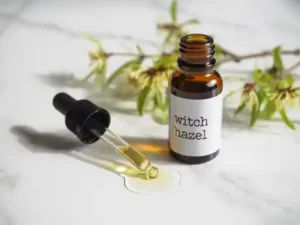
For centuries, witch hazel has been lauded for its medicinal properties, particularly its benefits for the skin. But when it comes to tackling the specific challenge of witch hazel on dark spots, the question remains: is it truly effective, or just another skincare myth? This comprehensive guide will delve deep into the science behind dark spots, explore the unique properties of witch hazel, and evaluate its potential to diminish hyperpigmentation. We’ll cover how to incorporate it into your routine, what to expect, and complementary treatments to help you achieve the clear, luminous skin you desire.
What Are Dark Spots and Why Do They Appear?
Before we explore the role of witch hazel on dark spots, it’s essential to understand what these marks are and why they form. Dark spots are essentially areas of the skin where melanin, the pigment that gives skin its color, has been overproduced and deposited. This overproduction can be triggered by various factors, leading to different types of hyperpigmentation.
Types of Hyperpigmentation
- Post-inflammatory Hyperpigmentation (PIH): These are dark spots that appear after an inflammatory skin condition, such as acne, eczema, or a scratch. As the skin heals, it can produce excess melanin, leaving behind a brown, black, or even purplish mark.
- Sun Spots (Solar Lentigines): Often called age spots or liver spots, these are flat, oval areas of increased pigmentation that commonly appear on sun-exposed areas like the face, hands, and décolletage. They are a direct result of prolonged sun exposure.
- Melasma: This type of hyperpigmentation is characterized by larger patches of dark skin, often symmetrical, appearing on the face (forehead, cheeks, upper lip). Melasma is primarily triggered by hormonal changes (e.g., pregnancy, birth control pills) combined with sun exposure.
Common Causes of Dark Spots
Understanding the root cause is crucial for effective treatment. The most common culprits include:
- Sun Exposure: UV radiation stimulates melanin production as a protective mechanism. Over time, this can lead to uneven pigmentation and the formation of sun spots.
- Acne and Skin Injuries: Picking at pimples, cuts, or other skin trauma can trigger an inflammatory response that leads to PIH.
- Hormonal Changes: Fluctuations in hormones, especially estrogen and progesterone, can make the skin more susceptible to hyperpigmentation when exposed to the sun, as seen in melasma.
- Medications: Certain drugs, such as some antibiotics, anti-inflammatory drugs, and even chemotherapy agents, can cause hyperpigmentation as a side effect.
- Genetics: Some individuals are genetically predisposed to developing dark spots.
Understanding Witch Hazel: More Than Just an Astringent
Witch hazel (Hamamelis virginiana) is a deciduous shrub native to North America. For centuries, Native Americans used its bark and leaves for medicinal purposes, particularly for soothing skin irritations. Today, it’s a popular ingredient in toners, cleansers, and various skin treatments due to its well-known properties.
What is Witch Hazel?
The witch hazel extract commonly found in skincare products is typically a distillate made from the bark, twigs, and leaves of the plant. It’s renowned for its powerful astringent and anti-inflammatory properties, making it a go-to for oily skin, acne, and minor skin irritations.
Key Components and Their Benefits
The efficacy of witch hazel comes from its rich composition of beneficial compounds:
- Tannins: These are polyphenolic compounds responsible for witch hazel’s potent astringent properties. Tannins can help tighten pores, reduce oiliness, and provide antioxidant benefits. They are also believed to have anti-inflammatory effects.
- Flavonoids: These are powerful antioxidants that help protect the skin from damage caused by free radicals, which can contribute to premature aging and hyperpigmentation.
- Volatile Oils: These contribute to the plant’s natural fragrance and can have additional soothing properties.
When considering witch hazel on dark spots, its ability to reduce inflammation and offer antioxidant protection are the most relevant factors.
Can Witch Hazel On Dark Spots Make a Difference?
Now for the million-dollar question: can witch hazel on dark spots genuinely help fade them? The answer is nuanced. While witch hazel isn’t a direct melanin inhibitor like ingredients such as hydroquinone or arbutin, its properties can indirectly support the fading of certain types of dark spots, particularly those related to inflammation.
The Science Behind Its Potential
- Anti-inflammatory Action: Witch hazel’s strong anti-inflammatory properties, primarily due to tannins, can be highly beneficial for post-inflammatory hyperpigmentation (PIH). By calming inflammation, it can reduce the likelihood of excessive melanin production during the healing process, potentially preventing new dark spots or helping existing ones fade faster.
- Mild Astringent Effects: While primarily known for tightening pores, the astringent action might indirectly aid in very mild exfoliation, promoting a faster turnover of superficial skin cells. This could, theoretically, help shed pigmented cells more quickly.
- Antioxidant Protection: Flavonoids and other antioxidants in witch hazel can help protect skin cells from oxidative stress, which is a factor in sun-induced dark spots. However, this is more of a preventative measure than a direct treatment for existing spots.
What the Research Says
It’s important to note that direct scientific research specifically on witch hazel on dark spots is limited. Most studies focus on its efficacy for inflammation, irritation, and acne. Therefore, claims about its direct spot-fading abilities are largely anecdotal or inferred from its known mechanisms of action. It’s more likely to be a supportive ingredient rather than a primary treatment for deep-seated or stubborn hyperpigmentation like melasma.
Pros of Using Witch Hazel for Skin
- Natural Origin: Derived from a plant, appealing to those seeking natural remedies.
- Reduces Inflammation: Excellent for calming redness and irritation, which can prevent PIH.
- Oil Control: Helps manage excess oil, making it beneficial for acne-prone skin.
- Readily Available and Affordable: Widely accessible in drugstores and online.
- Can Improve Skin Texture: By reducing pore appearance and inflammation.
Cons and Potential Drawbacks
- Drying Effect (especially with alcohol): Many traditional witch hazel formulations contain alcohol, which can be very drying and irritating, stripping the skin’s natural barrier. This can ironically worsen hyperpigmentation for some.
- Not a Standalone Cure: It’s unlikely to be sufficient for significant or stubborn dark spots on its own.
- Potential for Irritation: Even alcohol-free versions can be irritating for very sensitive skin if used excessively.
- Limited Direct Evidence: Lack of strong scientific studies proving its direct efficacy against melanin.
How to Safely and Effectively Use Witch Hazel for Dark Spots
If you’re considering using witch hazel on dark spots, proper application and product selection are key to maximizing potential benefits and minimizing risks.
Choosing the Right Product
This is perhaps the most crucial step. Always opt for alcohol-free witch hazel. Traditional witch hazel often contains 14% or more isopropyl alcohol, which can be excessively drying, irritating, and counterproductive for treating hyperpigmentation, potentially leading to further inflammation. Look for products labeled “alcohol-free,” “pure distillate,” or “hydrosol.”
Application Methods
- As a Toner: After cleansing, apply a small amount of alcohol-free witch hazel to a cotton pad and gently swipe over your face, focusing on areas with dark spots. Follow with a hydrating serum and moisturizer.
- Spot Treatment: For specific dark spots, you can dab a small amount of witch hazel directly onto the spot using a cotton swab. Do this once or twice a day.
- Diluted Application: If your skin is sensitive, you might consider diluting witch hazel with water or a hydrating floral water (like rosewater) before applying.
Patch Testing: A Crucial Step
Before applying witch hazel to your entire face, always perform a patch test. Apply a small amount to an inconspicuous area of your skin (e.g., behind the ear or on your inner forearm) and wait 24-48 hours. If no redness, itching, or irritation occurs, it’s likely safe for broader use.
Incorporating into Your Skincare Routine
Start by using witch hazel once a day, perhaps in the evening. If your skin tolerates it well, you can increase to twice daily. Remember to always apply it after cleansing and before heavier serums, oils, or moisturizers. Consistency is important, but so is listening to your skin.
Important Precautions
- Sun Protection is Non-Negotiable: While witch hazel itself isn’t photosensitizing, treating dark spots makes your skin more vulnerable. Always wear a broad-spectrum sunscreen with at least SPF 30 daily, even on cloudy days.
- Avoid Eye Area: Keep witch hazel away from your eyes, as it can be irritating.
- Discontinue if Irritation Occurs: If you experience persistent redness, burning, dryness, or peeling, stop using witch hazel immediately.
- Patience is Key: Fading dark spots takes time, often weeks to months. Don’t expect overnight results.
Complementary Strategies for Battling Dark Spots
While witch hazel on dark spots can be a helpful addition to your routine, especially for PIH, it’s most effective when combined with other proven ingredients and practices. A multi-faceted approach yields the best results.
Over-the-Counter Ingredients
- Vitamin C: A powerful antioxidant that inhibits melanin production and brightens the skin.
- Niacinamide (Vitamin B3): Reduces inflammation and helps prevent the transfer of pigment to skin cells.
- Alpha Hydroxy Acids (AHAs) (e.g., Glycolic Acid, Lactic Acid): Exfoliate the skin’s surface, helping to shed pigmented cells and reveal brighter skin.
- Retinoids (Retinol, Retinaldehyde): Accelerate cell turnover, promoting the shedding of dark spots and improving overall skin tone.
- Alpha Arbutin/Kojic Acid: Directly inhibit the enzyme responsible for melanin production.
Professional Treatments
For stubborn or severe dark spots, a dermatologist can offer more intensive solutions:
- Chemical Peels: Use higher concentrations of acids to exfoliate deeper layers of the skin.
- Laser Therapy: Targets pigment with concentrated light energy to break down melanin.
- Microdermabrasion: Physically exfoliates the outermost layer of skin.
- Prescription Creams: Such as hydroquinone, which is a potent melanin inhibitor.
Lifestyle and Prevention
- Consistent Sun Protection: The single most important step in preventing and treating dark spots. Reapply sunscreen every two hours when outdoors.
- Avoid Picking Skin: Resist the urge to pick at acne or scabs, as this almost guarantees PIH.
- Healthy Diet: A diet rich in antioxidants can support overall skin health.
Recommended Products
Thayers Alcohol-Free Witch Hazel Toner Rose Petal
A cult-favorite, gentle, alcohol-free witch hazel toner infused with rose water and aloe vera, perfect for sensitive skin looking to soothe and tone without drying.
Humphreys Witch Hazel Astringent Alcohol-Free
Another excellent alcohol-free option, this pure witch hazel distillate provides natural toning and soothing benefits without harsh alcohol or artificial fragrances.
EltaMD UV Clear Facial Sunscreen SPF 46
An oil-free, broad-spectrum sunscreen with niacinamide, ideal for acne-prone and sensitive skin. Essential for preventing and treating dark spots.
Frequently Asked Questions About Witch Hazel On Dark Spots
Q1: How long does it take to see results from witch hazel on dark spots?
A1: Patience is crucial. While witch hazel can help calm inflammation quickly, fading dark spots takes time. You might start to notice subtle improvements in redness or the intensity of PIH within 4-8 weeks, but significant fading can take several months of consistent use, especially when combined with other active ingredients.
Q2: Is witch hazel safe for all skin types, especially sensitive skin?
A2: When choosing an alcohol-free witch hazel, it can be safe for most skin types. However, even alcohol-free versions contain tannins which can be irritating for very sensitive skin if used excessively. Always perform a patch test first and start with infrequent use to gauge your skin’s reaction.
Q3: Can I use witch hazel with other dark spot treatments like Vitamin C or retinoids?
A3: Yes, you can. Witch hazel, especially an alcohol-free toner, can be used after cleansing and before applying serums containing Vitamin C, niacinamide, or retinoids. It acts as a preparatory step. However, introduce new products one at a time to monitor for any irritation and always prioritize sun protection.
Q4: What’s the difference between alcohol-free and alcohol-containing witch hazel? Which is better for dark spots?
A4: Alcohol-containing witch hazel is typically very drying and can strip the skin’s natural barrier, leading to irritation and potentially worsening hyperpigmentation. Alcohol-free witch hazel is much gentler, relying on the plant’s natural properties without the harsh effects of alcohol. For treating dark spots, alcohol-free witch hazel is always the better and safer choice.
Q5: Can witch hazel prevent new dark spots from forming?
A5: Witch hazel’s anti-inflammatory properties can help prevent new post-inflammatory hyperpigmentation (PIH) by calming skin irritation. Its antioxidant content offers some protection against environmental damage. However, for preventing sun spots or melasma, consistent and diligent use of broad-spectrum sunscreen is by far the most effective preventative measure.
Q6: Are there any side effects of using witch hazel on the face?
A6: The most common side effects, especially with alcohol-based formulations, include excessive dryness, redness, stinging, and irritation. Even alcohol-free versions can cause mild dryness or sensitivity in some individuals. If you experience persistent discomfort, it’s best to discontinue use.
Conclusion
The journey to brighter, more even-toned skin is often a marathon, not a sprint. When considering witch hazel on dark spots, it’s important to approach it with realistic expectations. While it might not be a miracle cure for stubborn hyperpigmentation, its anti-inflammatory and antioxidant properties make it a valuable supporting player in your skincare arsenal, particularly for calming redness and addressing post-inflammatory hyperpigmentation.
To truly unlock its potential, always opt for alcohol-free witch hazel and incorporate it thoughtfully into a well-rounded routine that includes proven active ingredients like Vitamin C, retinoids, or AHAs. Most importantly, remember that no dark spot treatment will be effective without diligent daily sun protection. Consistency, patience, and a holistic approach are your best allies in achieving a visibly clearer and more radiant complexion. If you’re dealing with persistent or severe dark spots, consulting a dermatologist for personalized advice and advanced treatments is always a wise next step.
“`