
In the sunny landscape of Woodland Hills, maintaining a pristine complexion can sometimes feel like a challenge. The allure of the outdoors, while wonderful, often comes with a common adversary: dark spots. These pesky areas of hyperpigmentation can range from subtle freckles to prominent sun spots, melasma, or post-inflammatory hyperpigmentation, all detracting from an otherwise even skin tone. If you’re a resident of Woodland Hills struggling with these unwelcome visitors, you’re not alone, and more importantly, you have numerous effective solutions at your fingertips.
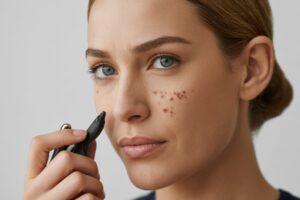
This comprehensive guide is designed specifically for the Woodland Hills community, offering a deep dive into understanding dark spots, their causes, and the most advanced and accessible treatments available. We’ll explore everything from cutting-edge professional procedures offered by local dermatologists and med spas to highly effective at-home skincare routines. Our goal is to empower you with the knowledge and resources to achieve a brighter, more uniform complexion, ensuring your skin reflects the vibrant beauty of your surroundings. Get ready to embark on your journey to successful Woodland Hills dark spot removal and reclaim your skin’s natural radiance.
Understanding Dark Spots: The Science Behind Hyperpigmentation
Dark spots, medically known as hyperpigmentation, occur when there’s an overproduction of melanin, the pigment responsible for skin color. This excess melanin deposits unevenly in the skin, leading to darkened patches. Several factors can trigger this overproduction, making it a widespread concern.
Common Types of Dark Spots
- Sun Spots (Solar Lentigines or Age Spots): These are perhaps the most common type, appearing as flat, brown, or black spots, primarily on sun-exposed areas like the face, hands, and décolletage. They are directly caused by prolonged sun exposure.
- Melasma: Often referred to as the “mask of pregnancy,” melasma appears as symmetrical, brownish patches, typically on the face (cheeks, forehead, upper lip, chin). It’s strongly linked to hormonal changes (pregnancy, birth control pills) combined with sun exposure.
- Post-Inflammatory Hyperpigmentation (PIH): This occurs after skin inflammation or injury, such as acne breakouts, eczema, or even minor cuts. As the skin heals, it leaves behind a darkened mark.
- Freckles (Ephelides): Small, flat, light brown spots that often appear in childhood and are genetic. They darken with sun exposure.
Primary Causes of Dark Spots
While sun exposure is a leading culprit, dark spots can stem from various sources:
- Sun Exposure: Ultraviolet (UV) radiation stimulates melanocytes (melanin-producing cells) to produce more pigment as a protective mechanism.
- Hormonal Changes: Fluctuations in hormones, as seen during pregnancy, menopause, or with certain medications, can trigger melasma.
- Inflammation and Injury: Acne, cuts, burns, insect bites, or aggressive skin treatments can lead to PIH.
- Medications: Certain drugs, like some antibiotics, anti-malarials, and anti-seizure medications, can cause hyperpigmentation as a side effect.
- Genetics: Some individuals are genetically predisposed to developing dark spots.
Why Woodland Hills Residents Need to Be Vigilant
Living in Woodland Hills means enjoying abundant sunshine and an active outdoor lifestyle. While beautiful, this environment also means higher and more consistent exposure to UV radiation, making residents particularly susceptible to developing and worsening dark spots. The year-round sun necessitates a proactive approach to skin protection and dark spot removal strategies.
- High UV Index: Woodland Hills experiences a high UV index for much of the year, increasing the risk of sun damage.
- Outdoor Lifestyle: Many residents enjoy hiking, golf, tennis, and other outdoor activities, often leading to prolonged sun exposure.
- Cumulative Damage: Years of sun exposure accumulate, manifesting as sun spots and accelerated skin aging.
Professional Woodland Hills Dark Spot Removal Treatments
For those seeking effective and faster results, a range of professional treatments are available in Woodland Hills. Consulting with a board-certified dermatologist or a reputable medical aesthetician is crucial to determine the best approach for your specific skin type and the nature of your dark spots.
Laser and Light Therapies
These advanced treatments use targeted energy to break down melanin pigments or resurface the skin. They are highly effective for various types of hyperpigmentation.
- Intense Pulsed Light (IPL): Often called a “photofacial,” IPL uses broad-spectrum light to target melanin, making it ideal for sun spots and general uneven tone. It’s less invasive than lasers, with minimal downtime.
- Pros: Effective for sun spots, rosacea, minimal downtime.
- Cons: May require multiple sessions, not suitable for all skin tones (especially darker skin).
- PicoSure/PicoWay Lasers: These ultra-fast picosecond lasers deliver energy in trillionths of a second, shattering pigment into tiny particles that the body can naturally eliminate. They are excellent for stubborn dark spots, melasma, and can be safer for darker skin types.
- Pros: Highly effective, fewer sessions, safer for diverse skin tones, minimal heat.
- Cons: Can be more expensive, some temporary redness/swelling.
- Fractional Lasers (e.g., Fraxel): These lasers create microscopic treatment zones, stimulating the body’s natural healing process to replace damaged skin with new, healthy tissue. They are effective for deeper pigmentation and overall skin rejuvenation.
- Pros: Treats deep pigmentation, improves skin texture, overall anti-aging benefits.
- Cons: Longer downtime (several days), can be more intense.
Chemical Peels
Chemical peels involve applying a solution to the skin that exfoliates the top layers, revealing fresher, less pigmented skin underneath. They range from superficial to deep, depending on the acid concentration and type.
- Superficial Peels (e.g., Glycolic, Lactic Acid): Mildest peels, good for minor discoloration and improving skin texture. Little to no downtime.
- Medium Peels (e.g., TCA): Penetrate deeper, targeting more significant sun damage and pigmentation. Some flaking and redness for a few days.
- Pros: Improve skin tone, texture, and clarity; can be customized.
- Cons: Requires multiple sessions, potential for post-inflammatory hyperpigmentation if not done correctly, sun sensitivity post-treatment.
Microneedling
Microneedling creates tiny punctures in the skin to stimulate collagen production and promote skin regeneration. When combined with topical brightening serums, it can effectively reduce hyperpigmentation, especially PIH.
- Pros: Improves skin texture, reduces fine lines, effective for PIH, can enhance product absorption.
- Cons: Mild downtime (redness), requires multiple sessions.
Prescription Topical Treatments
Dermatologists in Woodland Hills can prescribe stronger topical creams to address dark spots:
- Hydroquinone: A powerful skin-lightening agent that inhibits melanin production. Available in prescription strengths (2-4%).
- Pros: Highly effective for stubborn spots.
- Cons: Should be used under medical supervision, typically for short periods, potential for irritation or paradoxical darkening (ochronosis) with misuse.
- Tretinoin (Retin-A): A retinoid that accelerates cell turnover, helping to shed pigmented cells and improve overall skin tone.
- Pros: Also offers anti-aging benefits, improves skin texture.
- Cons: Can cause initial irritation, increased sun sensitivity.
- Combination Therapies: Often, dermatologists prescribe compounds that combine hydroquinone, tretinoin, and a mild corticosteroid for enhanced efficacy and reduced irritation.
At-Home Dark Spot Solutions & Prevention
While professional treatments offer significant results, a consistent and well-chosen at-home skincare routine is fundamental for preventing new dark spots and maintaining the results of clinical procedures. For residents in Woodland Hills, this proactive approach is non-negotiable.
Key Brightening Ingredients to Look For
Incorporate products containing these active ingredients into your daily routine:
- Vitamin C (Ascorbic Acid): A powerful antioxidant that brightens skin, inhibits melanin production, and protects against environmental damage. Look for serums with 10-20% concentration.
- Niacinamide (Vitamin B3): Reduces the transfer of pigment to skin cells, improves skin barrier function, and calms inflammation.
- Alpha Arbutin & Kojic Acid: Natural skin lighteners that inhibit tyrosinase, an enzyme crucial for melanin production.
- Azelaic Acid: Reduces inflammation and inhibits melanin production, particularly useful for PIH and acne-prone skin.
- Retinoids (Retinol, Retinaldehyde): Over-the-counter retinoids accelerate cell turnover, helping to shed pigmented cells and improve skin texture.
The Non-Negotiable: Sun Protection
No Woodland Hills dark spot removal strategy is complete without rigorous sun protection. This is the single most important step to prevent new spots and keep existing ones from darkening.
- Daily SPF 30+ (or higher): Apply a broad-spectrum sunscreen with an SPF of 30 or higher every single day, rain or shine, even when indoors near windows. Reapply every two hours when outdoors, or more often if sweating or swimming.
- Physical Sunscreens: Look for sunscreens containing zinc oxide and titanium dioxide, as they provide broad-spectrum protection and are often gentler for sensitive skin.
- Protective Clothing: Wear wide-brimmed hats, sunglasses, and UPF-rated clothing when spending extended time outdoors.
- Seek Shade: Avoid direct sun exposure during peak hours (10 AM to 4 PM).
Gentle Skincare Routine
Aggressive scrubbing or harsh products can cause irritation, leading to PIH. Opt for a gentle approach:
- Mild Cleanser: Use a gentle, pH-balanced cleanser twice daily.
- Hydration: Keep your skin well-hydrated with a good moisturizer to support its barrier function.
- Avoid Picking: Resist the urge to pick at acne or scabs, as this significantly increases the risk of PIH.
Choosing the Right Specialist in Woodland Hills
When considering professional Woodland Hills dark spot removal, selecting the right provider is paramount. Look for:
- Board-Certified Dermatologists: They have extensive training in skin conditions and can accurately diagnose the type of dark spot and recommend the most appropriate medical treatments.
- Experienced Medical Aestheticians: Often work under the supervision of dermatologists and are skilled in performing treatments like chemical peels, microneedling, and some laser procedures.
- Reputation and Reviews: Check online reviews, ask for testimonials, and ensure the clinic has a strong reputation for safety and efficacy.
- Consultation: A thorough consultation should include a skin analysis, discussion of your goals, explanation of treatment options, potential side effects, and realistic expectations.
Recommended Products for At-Home Dark Spot Care
While professional treatments are often necessary for stubborn spots, incorporating effective at-home products can significantly enhance results and prevent recurrence. Here are some suggestions for your Woodland Hills dark spot removal routine:
EltaMD UV Clear Broad-Spectrum SPF 46
A highly recommended, lightweight, mineral-based sunscreen perfect for daily use, especially for acne-prone or sensitive skin. Crucial for preventing new dark spots in Woodland Hills.
SkinCeuticals C E Ferulic Serum
A premium antioxidant serum with Vitamin C, Vitamin E, and Ferulic Acid. It brightens skin, reduces dark spots, and provides advanced environmental protection.
Paula’s Choice 10% Niacinamide Booster
This concentrated treatment helps to visibly reduce the look of enlarged pores, uneven skin tone, and minimizes the appearance of dark spots and post-acne marks.
The Ordinary Alpha Arbutin 2% + HA
An affordable yet effective serum that targets hyperpigmentation and dark spots using purified alpha arbutin and hyaluronic acid for hydration.
Frequently Asked Questions About Dark Spot Removal
How long does it take to see results from dark spot removal treatments?
The timeline varies significantly depending on the type and severity of the dark spots, the chosen treatment method, and individual skin response. At-home topical treatments may show subtle improvements in 4-12 weeks, while professional treatments like lasers or chemical peels can yield noticeable results in 1-3 sessions, often within a few weeks to a few months. Consistency with aftercare and sun protection is crucial for sustained results.
Is dark spot removal painful?
Most dark spot removal treatments involve some level of discomfort, but it’s generally manageable. Laser treatments might feel like rubber band snaps, and a topical numbing cream is often applied beforehand. Chemical peels can cause a stinging or burning sensation. Microneedling is typically done with a numbing cream to minimize discomfort. Your provider will discuss pain management options and what to expect during your consultation.
Can dark spots come back after treatment?
Yes, dark spots can reappear, especially if the underlying causes are not addressed. Sun exposure is the primary trigger for most dark spots. Without diligent sun protection (daily SPF, protective clothing, seeking shade), new spots can form, and existing ones can darken again. Hormonal factors for melasma also mean recurrence is possible, even with effective treatment. Consistent maintenance and prevention are key.
What’s the best treatment for melasma in Woodland Hills?
Melasma is notoriously stubborn and requires a multi-faceted approach. While some lasers (like Pico lasers) can be effective, they must be used cautiously to avoid worsening the condition. Often, a combination of prescription topicals (e.g., hydroquinone, tretinoin), gentle chemical peels, and strict sun protection is recommended. Consulting a dermatologist experienced with melasma is essential for a personalized treatment plan.
Are at-home remedies effective for dark spots?
Some at-home remedies, particularly those utilizing ingredients like Vitamin C, Niacinamide, or Alpha Arbutin, can be effective for mild to moderate dark spots and for maintaining results. However, they typically work slower and may not be strong enough for deep or stubborn hyperpigmentation. For significant or persistent dark spots, professional treatments usually offer more dramatic and quicker results. Always prioritize sun protection regardless of your chosen treatment path.
Conclusion: Embracing a Brighter Future for Your Skin in Woodland Hills
Living in Woodland Hills offers a unique blend of natural beauty and vibrant community life, but it also calls for a mindful approach to skincare, particularly when it comes to tackling dark spots. From the relentless California sun contributing to sun spots, to hormonal shifts causing melasma, and post-acne marks leaving their impression, hyperpigmentation is a common concern that can affect anyone’s confidence.
Fortunately, the journey to clearer, more radiant skin is well within reach. By understanding the different types of dark spots and their causes, you can make informed decisions about your treatment path. Whether you opt for advanced professional treatments like laser therapy or chemical peels, or commit to a diligent at-home routine featuring powerful brightening ingredients and, most importantly, unwavering sun protection, consistency is your greatest ally. Remember, the best strategy for Woodland Hills dark spot removal often involves a combination of expert guidance and dedicated self-care. Don’t hesitate to consult with a local dermatologist or skin care specialist to craft a personalized plan that perfectly suits your skin’s unique needs. Embrace the opportunity to reveal a complexion that truly glows, reflecting the sunny spirit of Woodland Hills.
“`